A ^ACabinet of Byzantine Curiosities — Book Summary & Review
Last updated:
A ^ACabinet of Byzantine Curiosities Summary
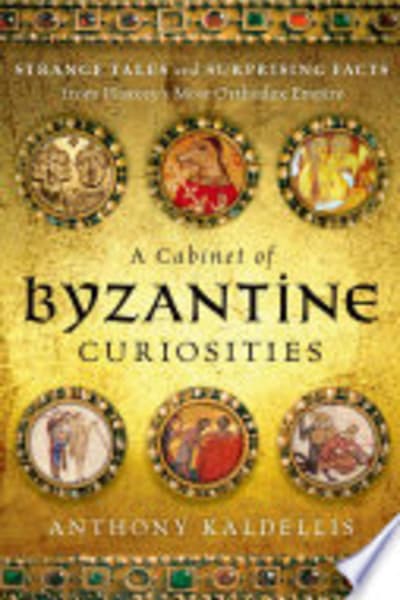
Anthony Kaldellis’s On Writing? No—A Cabinet of Byzantine Curiosities is structured as a curated “cabinet” of political and religious oddities, and Kaldellis repeatedly frames each anecdote as evidence of how Byzantium actually talked to itself. The organizing idea is that Byzantium’s public life wasn’t only emperors, councils, and wars; it was also rumor, ritual, patronage, and theological branding—messy forces that shaped who had authority and whose stories survived. Kaldellis leans on a mix of “zanier tales and trivia” and more serious historical context, but he’s not trying to write a straight chronological survey. One concrete example is how he uses the book’s recurring attention to religious controversy to show that theology functioned like politics: arguments about doctrine were also arguments about power, legitimacy, and access to the court. Another is his way of treating recurring bureaucratic and ceremonial behaviors as “curiosities” with explanatory weight—small details that reveal the machinery behind big events.
Kaldellis also makes his own agenda clear: he wants to push back against lazy modern prejudices by demonstrating that Byzantium’s thinkers and institutions were intellectually active, not merely stagnant. If you read closely, Kaldellis’s selection strategy becomes the argument—he keeps returning to how Byzantines constructed meaning through competing narratives, from imperial messaging to monastic or ecclesiastical disputes. Still, there’s a limitation that will frustrate some readers: the book isn’t a comprehensive reference work, and the “cabinet” format means you won’t get sustained, end-to-end explanations of any one topic. Expect more sparks than full fires.
Key Takeaways from A ^ACabinet of Byzantine Curiosities
-
1
Cabinet format: Kaldellis arranges Byzantium as themed oddities, so each story works as evidence rather than filler.
-
2
Political theology: religious disputes are treated as power struggles over legitimacy, access, and influence inside the empire.
-
3
Narrative competition: Byzantines are shown constructing authority through rival stories, not only through official decrees.
-
4
Ceremony as mechanism: court ritual and bureaucratic habits are read as practical systems, not decorative background.
-
5
Prejudice pushback: Kaldellis selects examples meant to correct modern stereotypes with specific historical texture.
Who Should Read This
Someone who keeps bouncing between Byzantium memes and serious history, and wants the texture of how people actually argued, will like this. If you’re tired of dry chronologies and want political and religious life explained through concrete, weirdly specific examples, pick it up.
Who Shouldn't Read This
Someone who wants a chronological, fully sourced, chapter-by-chapter account of Byzantine history will feel shortchanged by the curated “cabinet” structure. If you dislike trivia-heavy writing or want deep dives on one topic at a time, Kaldellis’s selection approach will frustrate you.
Editor's Verdict
A Cabinet of Byzantine Curiosities scores best when Kaldellis uses religious controversy as a lens for political authority, showing how doctrinal fights doubled as legitimacy fights. The limitation is structural: it prioritizes curated anecdotes over sustained, comprehensive explanations of major events or debates. This hits hardest for a reader who’s just finished a broader survey and is now hungry for the messy, human mechanics behind Byzantium’s public life.
Ready to read A ^ACabinet of Byzantine Curiosities?
Get your copy on Amazon today.
A ^ACabinet of Byzantine Curiosities — Frequently Asked Questions
About Anthony Kaldellis
Anthony Kaldellis is a historian of Byzantium and professor at the University of Chicago. He earned his doctorate in classics and specializes in Byzantine Greek literature and history, with a focus on how Byzantines understood politics, culture, and religion. His expertise is grounded in scholarly research and peer-reviewed publications on Byzantine texts and historiography. He is the author of A Cabinet of Byzantine Curiosities and also wrote The Byzantine Republic: People and Power in New Rome and Hellenism in Byzantium: The Transformations of Greek Identity and the Reception of Greek Culture.