Book Meets World — Book Summary & Review
by Danielle Fishel, Rider Strong and Will Friedle, with Emily Longeretta
Last updated:
Book Meets World Summary
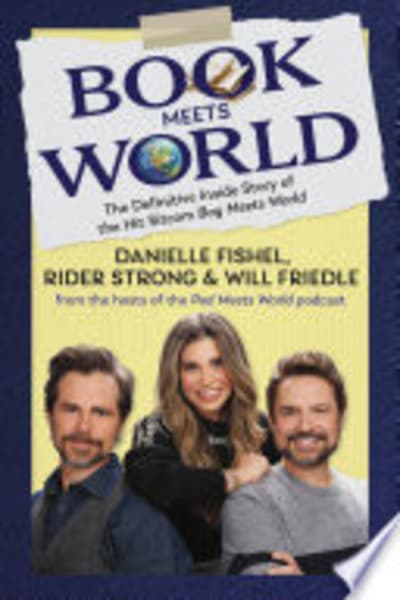
Book Meets World is built around the Pod Meets World format—Danielle Fishel, Rider Strong, and Will Friedle rewatch episodes, then unpack what happened off-camera—and that structure is exactly what makes the book feel like hanging out with three people who still remember the smell of the soundstage. The trio organizes the behind-the-scenes material as a mix of episode notes, cast-and-crew interviews, and personal anecdotes, with photographs used like little time machines rather than filler. One concrete highlight is the recurring discussion of “Mr. Feeny” as a production force: how William Daniels’ presence shaped scene rhythm, how the writers handled the moral-lesson tone, and why the show’s best moments often came from rehearsal discipline more than inspiration. Fishel’s voice carries the emotional temperature—she’s blunt about awkward moments, early fan pressure, and the strange comfort of revisiting scenes you once took for granted—while Strong and Friedle keep the mood moving with prank-war stories and the kind of set chaos that sounds unbelievable until you realize it was their job. The book also name-checks specific recurring production beats, like the notes sessions and the casting “almost” stories, and it’s fun watching them compare what they thought the show was doing with what it actually did.
Still, Fishel, Strong, and Friedle don’t aim for a comprehensive television-history textbook; this is fandom documentation, not an academic analysis of 90s TV. If you’ve never watched Boy Meets World, or you only remember it vaguely, the episode-by-episode scaffolding will feel like you’re reading someone’s yearbook caption without the photos. If you do know the characters, though, the book earns its warmth by treating the audience like adults who can handle nostalgia with receipts.
Enjoyed this one? Read these next.
Top picks in Non-Fiction, chosen for readers of Book Meets World.
Sapiens
by Yuval Noah Harari
Check price on Amazon
Educated
by Tara Westover
Check price on Amazon
Becoming
by Michelle Obama
Check price on Amazon
The Wright Brothers
by David McCullough
Check price on AmazonKey Takeaways from Book Meets World
-
1
Pod Meets World Rewatch Method: The hosts watch episodes again and use that viewing to trigger interviews, photos, and production context.
-
2
Mr. Feeny Production Influence: The book shows how William Daniels’ approach shaped scene pacing and the show’s lesson-forward tone.
-
3
Notes Sessions as Craft: Repeated references to on-set notes reveal how writers, directors, and actors corrected performances in real time.
-
4
Casting “Almost” Stories: The book records near-misses and alternate choices, making familiar characters feel more hard-won.
-
5
Set-Era Photo Use: Personal photographs are treated as narrative evidence, not decoration, to anchor each memory in the physical world.
Who Should Read This
Someone who grew up with Boy Meets World and wants the behind-the-scenes context without losing the sitcom’s emotional warmth should read Book Meets World. If you’re in that post-rewatch mood where you keep wondering how certain scenes got made, Fishel, Strong, and Friedle’s notes will scratch the itch.
Who Shouldn't Read This
If you want a rigorous, chapter-by-chapter history of 90s TV trends, this book will frustrate you because it stays close to the show’s own production lore. If you’re not already invested in Cory, Topanga, Shawn, and Eric, the episode scaffolding will feel like insider talk with limited payoff.
Editor's Verdict
The single best thing Book Meets World does is use its Pod Meets World rewatch structure to connect specific production moments—like the Mr. Feeny influence and notes sessions—to what viewers actually saw on screen. The real limitation is that it’s fandom documentation, not a broader analysis of television culture, so it won’t satisfy readers looking for industry-wide conclusions. This hits hardest for anyone revisiting the show years later and realizing they want the “how” behind the “why it mattered.”
Ready to read Book Meets World?
Get your copy on Amazon today.
Book Meets World — Frequently Asked Questions
About Danielle Fishel, Rider Strong and Will Friedle, with Emily Longeretta
Danielle Fishel, Rider Strong, and Will Friedle are actors from the long-running TV series Boy Meets World and its spinoff Girl Meets World; they later became key voices in the show’s behind-the-scenes storytelling. Their firsthand experience as cast members makes them credible sources on the series’ production, themes, and cultural impact. Emily Longeretta is the author of Book Meets World, a companion that explores the show through books and reading. Other notable works include Girl Meets World (Fishel, Strong, Friedle) and the Boy Meets World soundtrack/related media (Friedle).