Bearing The Cross — Book Summary & Review
Last updated:
Bearing The Cross Summary
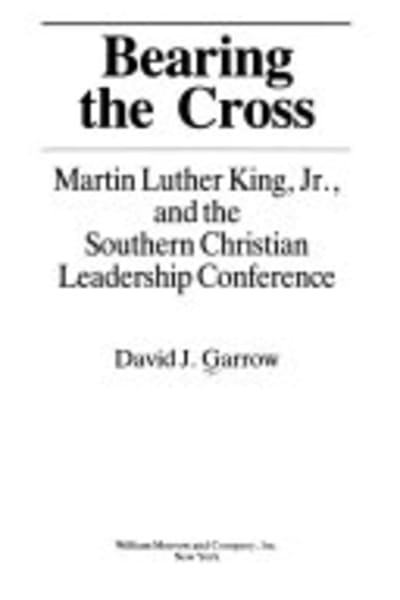
Bearing The Cross is built around Garrow’s method of triangulating King’s private papers, interviews, and FBI files, and the book keeps returning to how that paperwork changes what you think you know about King’s decisions. One of Garrow’s recurring frameworks is his attention to the gap between public performance and private calculation: King’s sermons and speeches read one way, while the behind-the-scenes records—especially surveillance material—pressure the reader to revise how “strategy” actually worked inside the movement. A concrete example is Garrow’s treatment of the Montgomery and SCLC leadership world as a set of competing pressures rather than a single moral arc, where staff politics, funding realities, and internal factions repeatedly shape King’s next moves.
The book’s structure also matters: Garrow doesn’t just list events; he organizes biography as a series of contested interpretations, showing how different documents support different stories. In the chapter sections that focus on King’s relationships with SCLC colleagues and the movement’s internal discipline, Garrow keeps asking who controlled information, who benefited from particular narratives, and what King chose to reveal or withhold. By the time you reach the parts dealing with the buildup to major civil-rights campaigns and the strain they placed on leadership, Garrow’s argument becomes hard to ignore: the civil-rights movement was powered by conviction, but it also ran on management, risk assessment, and careful timing.
Still, there’s a limitation. Bearing The Cross is dense, document-heavy, and often less interested in giving you a clean, emotionally satisfying “why it all worked” than in showing how messy the evidence can be. If you want a streamlined, purely inspirational King biography or you’re allergic to FBI-paper minutiae, Garrow may frustrate you rather than comfort you.
Key Takeaways from Bearing The Cross
-
1
FBI file triangulation: Garrow cross-checks surveillance summaries against King’s papers and interviews to show how claims shift by source.
-
2
Public self vs private calculation: the biography tracks how King’s public messaging and behind-the-scenes choices diverged under leadership pressure.
-
3
SCLC internal discipline: Garrow treats staff politics and enforcement as central to strategy, not background noise to moral speeches.
-
4
Contested interpretation method: chapters often read like disputes over documentation, teaching you to watch how narratives are constructed.
-
5
Document-driven chronology: Garrow’s timeline is driven by what records survive, so the story’s emphasis follows the archive’s shape.
Who Should Read This
Someone who already knows the basic King timeline but keeps wondering how leadership decisions were actually made will like Garrow’s document-first approach. If you’re preparing to write, teach, or argue about civil-rights history and want the messy evidence behind the headlines, this will help.
Who Shouldn't Read This
If you want a smooth, inspirational biography that prioritizes uplift over archival friction, Garrow’s evidence density will wear you down. If you dislike FBI-material context and footnote-like detail, you’ll feel like you’re trudging through paperwork instead of meeting King on the page.
Editor's Verdict
The best thing Bearing The Cross does is show how Garrow’s triangulation method reframes King’s leadership choices, especially in the sections focused on SCLC decision-making and internal discipline. The real limitation is that it’s relentlessly document-heavy and frequently more interested in contested evidence than in delivering a satisfying emotional through-line. This will hit hardest for history buffs and writers who are mid-project and need ammunition for specific claims, not just broad admiration.
Ready to read Bearing The Cross?
Get your copy on Amazon today.
Bearing The Cross — Frequently Asked Questions
About David J. Garrow
David J. Garrow is an American historian and legal scholar known for research on Martin Luther King Jr. and the civil-rights movement. He earned a PhD and has written extensively using archival records and court documents. His credibility on Bearing the Cross comes from his long-term, document-based study of King and the movement’s leadership and internal dynamics. Other notable works include Rising Star: The Making of Martin Luther King Jr. and Bearing the Cross: Martin Luther King Jr., and the Southern Christian Leadership Conference.