A History of the United States, Vol. VI — Book Summary & Review
Last updated:
A History of the United States, Vol. VI Summary
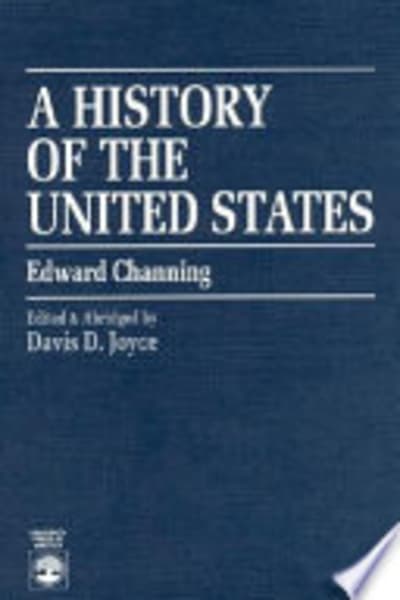
Edward Channing’s sixth volume lays out the Civil War era as “the War for Southern Independence,” but he also frames it through a longer arc of nation-building that his earlier parts set up, so you’re always measuring the rupture against what came before. This reprint is organized as a highlight-heavy volume with an extensive introduction by Davis D. Joyce, and Channing’s narrative rhythm is recognizable: he moves from institutions and incentives to battlefield outcomes, then back again to politics and constitutional meaning. In the Civil War portion, Channing’s emphasis lands on how secession, federal power, and the moral language of the conflict were entangled with material realities—labor, governance, and regional economic structure—rather than treated as pure ideology. He writes like a historian who distrusts easy heroes: both sides are explained through systems, not just personalities. One concrete through-line is how the book treats the Confederacy’s claim to legitimacy as an argument that had to be made persuasive through policy, propaganda, and practical administration, not merely asserted at the moment of secession. Channing also keeps returning to the question of what “union” meant once the nation’s political mechanisms started failing. The Joyce introduction helps you understand why Channing’s approach won a Pulitzer in 1925 and where it fits in American historiography, which is useful because the series is otherwise out of print.
Hard limitation: this “new volume” is not a full replacement for the original six-volume work—it’s reprinted highlights—so if you want the complete, continuous Civil War narrative with exhaustive detail, Channing will frustrate you. Also, the prose assumes you’re comfortable with older historiographical debates, so casual readers may feel like they’re reading with a footnote in their lap rather than settling into story.
Key Takeaways from A History of the United States, Vol. VI
-
1
War for Southern Independence: Channing treats the conflict as a contested political project, not only a battlefield sequence.
-
2
Nation-building arc: The volume measures Civil War outcomes against earlier institutional development, so causes feel structural.
-
3
Joyce introduction framing: Davis D. Joyce situates Channing’s 1920s method inside later historiography debates and critiques.
-
4
Legitimacy as policy: The Confederacy’s claim must be administered and persuaded through governance decisions and messaging.
-
5
System over hero: Channing explains leaders through incentives, governance constraints, and regional economic realities.
Who Should Read This
Someone who’s studying the Civil War for a class or research project and wants a historically serious, institution-focused viewpoint will like this. If you’re tired of modern pop history that treats politics as background noise, Channing’s structure will feel refreshing.
Who Shouldn't Read This
If you want a complete, uninterrupted Civil War narrative with exhaustive coverage, this highlight reprint will feel chopped up. If you need smooth, contemporary prose and minimal historiographical context, Channing’s older style and Joyce’s framing may annoy you.
Editor's Verdict
The single best thing this book does is connect the Civil War’s “War for Southern Independence” claim to legitimacy-making through governance and policy choices. The real limitation is that it is a highlights reprint, so you do not get the full continuity and density of Channing’s original volume. Anyone preparing for a history seminar—especially mid-project when you need a serious baseline framework for interpreting secession and union—will get the most out of it.
Ready to read A History of the United States, Vol. VI?
Get your copy on Amazon today.
A History of the United States, Vol. VI — Frequently Asked Questions
About Edward Channing
Edward Channing (1856–1931) was an American historian and educator, trained in historical scholarship and later a professor at Harvard University. He is credible on U.S. history because his academic work focused on the political and social development of the United States, culminating in his multi-volume study of the nation’s history. He authored A History of the United States, Vol. VI, and also wrote The United States of America, a historical work.