1929 — Book Summary & Review
Last updated:
1929 Summary
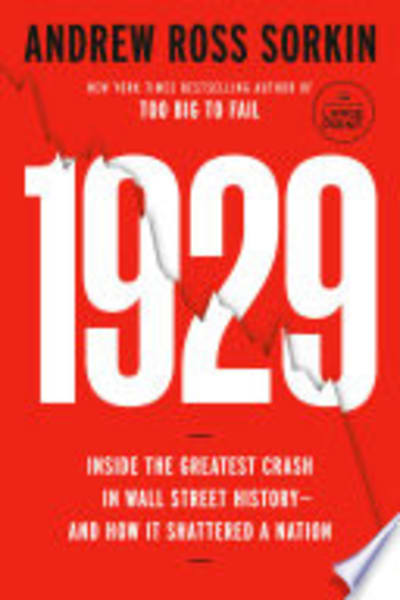
In 1929, Andrew Ross Sorkin organizes the crash around a behind-the-scenes tug-of-war between Wall Street dealmaking and Washington’s regulatory panic, and he keeps returning to the same question: how did smart people convince themselves the risk wasn’t real? Sorkin’s narrative leans on scenes of euphoria—margin-fueled buying, bankers smoothing over doubts, and traders treating volatility like bad manners—then snaps to the moment confidence breaks. One of the book’s most useful moves is how often Sorkin names the psychology of “this time is different” as an active choice, not a naïve accident. He doesn’t just recount price charts; he shows how rumors, leverage, and institutional incentives created a feedback loop where warnings were socially punished.
A concrete example is Sorkin’s focus on the early days when New York’s public story (stability, resilience, normal market behavior) collided with the private reality (liquidity strain, counterpart risk, and frantic coordination). Later, the Washington angle sharpens: Sorkin tracks how political leaders and regulators tried to look decisive while lacking the tools—or the timing—to stop the cascade. The book’s structure repeatedly circles back to a handful of types of actors: the financiers who profited from complexity, the officials who underestimated how fast the system could move, and the skeptics who were dismissed until their warnings became the day’s headline.
Sorkin is at his best when he uses newly uncovered documents and careful reporting to make the crash feel procedural—meetings, memos, and conversations where decisions get rationalized. But the limitation is real: 1929 is heavy on institutional history and character case studies, not on a clean, step-by-step explanation of modern financial mechanics for readers who want a technical “how” they can apply. If you’re expecting a quick primer on leverage, derivatives, or today’s market plumbing, Sorkin may frustrate you before the last third.
Key Takeaways from 1929
-
1
Margin leverage as a pressure system: it turns ordinary optimism into forced selling when prices wobble and credit tightens quickly.
-
2
The “this time is different” reflex: Sorkin frames it as a social agreement, reinforced by incentives, not a spontaneous delusion.
-
3
Wall Street–Washington feedback loops: decisions in one room reshape options in the other, often with delays that matter.
-
4
Institutional risk denial: banks and brokers treat internal stress as temporary noise until counterpart trust collapses.
-
5
Sorkin’s document-led narrative method: he builds momentum by pairing personalities with memos, testimony, and newly surfaced records.
Who Should Read This
Someone who keeps hearing “markets are rational” while watching real-world institutions ignore obvious warning signs will appreciate how Sorkin stages the 1929 psychology of denial. If you’re trying to understand why financial crises feel sudden even when alarms existed, Sorkin’s Wall Street–Washington collision will land hard.
Who Shouldn't Read This
If you want a technical, formula-forward explanation of how leverage and trading mechanics work, Sorkin’s emphasis on narrative history will feel frustratingly indirect. If you prefer short, thematic chapters over long scene-setting, 1929’s institutional scope and character density will likely test your patience.
Editor's Verdict
The best thing 1929 does is make the crash feel like a chain of decisions—especially in Sorkin’s repeated focus on how leverage and confidence interact before the selloff becomes irreversible. The real limitation is that it doesn’t function as a practical financial-mechanics guide for modern readers who want “here’s how it works” in technical terms. Anyone early in their finance career, right after learning the vocabulary of risk, will hit the hardest when they realize how easily respectable institutions rationalize disaster.
Ready to read 1929?
Get your copy on Amazon today.
1929 — Frequently Asked Questions
About Andrew Ross Sorkin
Andrew Ross Sorkin is an American journalist and author known for business and financial reporting. He has covered major economic and political developments for The New York Times, where he served as a lead business writer and co-founded the DealBook newsletter. His reporting and interviews with key business and government figures make him credible for writing about the 1929 crash and its causes. Notable works include Too Big to Fail (with other contributors) and The Only Game in Town.