No Prophets — Book Summary & Review
Last updated:
No Prophets Summary
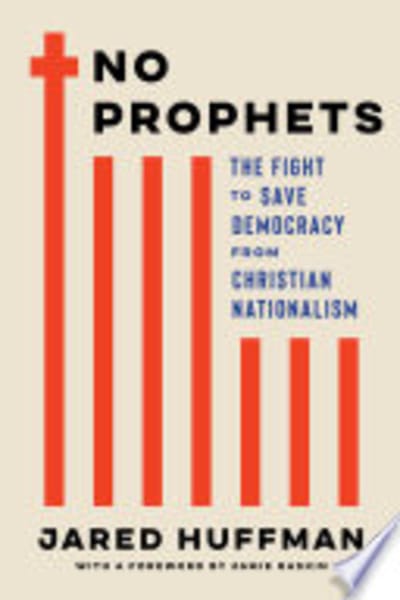
No Prophets is built around Rep. Jared Huffman’s core framework of “church-state separation” as the line Christian nationalism tries to erase, and it keeps returning to what he witnessed around January 6 and what he’s seen since inside the machinery of government. Huffman, writing as a formerly devout Christian turned Humanist congressman, argues that Christian nationalism has stopped being a fringe mood and become an organized political movement with a strategy: work inside institutions, rewire agencies, and treat religious doctrine as public policy. The book’s most useful sections aren’t the high-level moral warnings; they’re the behind-the-scenes patterns Huffman claims he recognized—how leaders launder extremism through “prophecy” language, how they recruit believers with promises of imminent divine action, and how they frame democratic constraints as illegitimate.
A concrete example Huffman leans on is the Capitol attack as the “wake-up call” that never became one, followed by the movement’s rapid normalization in mainstream politics. He also spends time on the idea that myths do the heavy lifting: the movement sells itself as protection of “freedom” while pushing for compelled speech, education changes that undermine science, and policy priorities that privilege one religious worldview. Huffman’s most persistent claim is that the endgame is authoritarian theocracy—less a sudden takeover than a gradual reshaping of elections, courts, and administrative power so theocracy can govern by law.
The limitation: No Prophets is urgent and broad, but it doesn’t function as a tight, sourced investigative report with a chapter-by-chapter evidentiary audit of every claim. If you want a meticulously documented courtroom-style case file, Huffman’s narrative emphasis may frustrate you.
Key Takeaways from No Prophets
-
1
Christian nationalism strategy: Huffman describes a movement that uses institutions as cover while aiming to replace secular governance.
-
2
January 6 normalization: Huffman argues the insurrection was treated like an exception, letting Christian nationalist power keep growing.
-
3
Prophecy recruitment tactics: Huffman shows how “prophets” and divine timing can motivate followers toward political escalation.
-
4
Church-state separation line: Huffman frames secular law as the barrier that extremists try to erode through policy and education.
-
5
Interfaith coalition for democracy: Huffman calls for shared democratic commitment across faiths and secular allies to resist theocracy-by-law.
Who Should Read This
If you’re exhausted by politics that keeps pretending religious extremism is harmless, this book gives you a sharper map of how it operates. Someone who watches friends or coworkers talk about “prophetic” events while downplaying their political consequences will likely feel the book’s urgency in real time.
Who Shouldn't Read This
If you prefer a strictly academic, heavily sourced argument with dense citations and narrow case studies, Huffman’s broad, experiential approach will feel too sweeping. If you came for a neutral overview of multiple religions in America, the book’s focus on Christian nationalism will feel one-directional and politically forceful.
Editor's Verdict
The single best thing No Prophets does is connect Huffman’s Capitol-level observations to a practical description of how religious extremists push policy inside government, especially through his treatment of “prophets” and the movement’s normalization after January 6. The real limitation is that it doesn’t read like a comprehensive, citation-heavy investigative dossier, so some readers will want more granular proof for specific claims. This hits hardest for anyone who has felt political fatigue yet keeps noticing Christian-nationalist rhetoric showing up in workplaces, schools, or local elections and can’t tell what’s real anymore.
Ready to read No Prophets?
Get your copy on Amazon today.
No Prophets — Frequently Asked Questions
About Jared Huffman
Jared Huffman is a journalist and author who writes about politics, war, and the ways power shapes public life. He is credible on these topics through his reporting and research into historical and contemporary political movements. His book No Prophets examines the influence of ideology and political narratives on events and policy. He has also written other nonfiction works, including coverage and analysis of U.S. politics and national security.