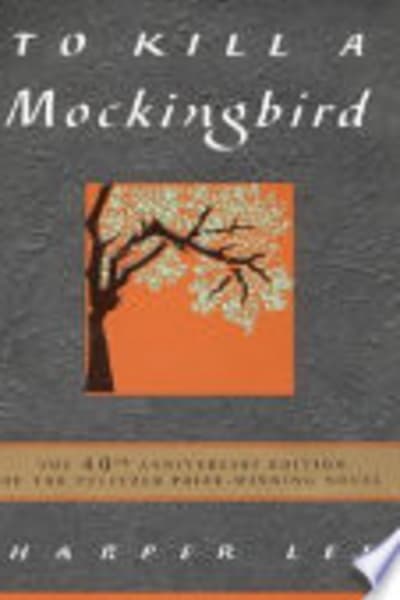
To Kill a Mockingbird — Book Summary & Review
by Harper Lee
Last updated:
To Kill a Mockingbird Summary
Harper Lee sets the narrative in motion with Scout Finch's recollection of her father, Atticus, defending Tom Robinson in court. Through Scout's eyes, the novel explores the deeply rooted racial prejudices and class distinctions that pervade 1930s Alabama. Lee masterfully crafts the courtroom drama in chapters like 'The Trial', where Atticus's unwavering moral compass clashes with the town's ingrained biases. The book's strength lies in its portrayal of childhood innocence amidst societal corruption, such as Scout's naive yet poignant understanding of the events unfolding around her. However, readers looking for a deeper exploration of Tom Robinson's perspective might find the narrative limited, as the focus remains primarily on the Finch family and their experiences.
Key Takeaways from To Kill a Mockingbird
-
1
The Mockingbird Symbol: Represents innocence destroyed by evil, particularly seen in Tom Robinson and Boo Radley.
-
2
The Radley House: A mystery to Scout and Jem, symbolizing fear of the unknown and societal superstition.
-
3
Atticus's Parenting: He teaches his children empathy and justice, challenging the town's prejudiced views.
-
4
The Trial Chapter: Highlights systemic racism through Tom Robinson's unjust trial and conviction.
-
5
Scout's Growth: Her evolving understanding of human nature reflects the loss of innocence and moral awakening.
Who Should Read This
If you are grappling with understanding the roots of societal injustice or seeking a narrative that combines legal drama with childhood innocence, this is for you. Someone who wants to explore themes of morality and empathy through a young protagonist's eyes will find value here.
Who Shouldn't Read This
If you crave action-packed plotlines or a fast-paced narrative, this book's introspective style might not satisfy you. Readers looking for a comprehensive exploration of Tom Robinson's character and perspective will likely be disappointed by his limited presence.
Editor's Verdict
The book excels in capturing the moral complexity of Southern life through Scout's innocent perspective. However, it doesn't delve deeply into Tom Robinson's viewpoint, which might leave some readers wanting more. This book resonates most when you're questioning societal norms or seeking to understand racial dynamics through a historical lens.
Ready to read To Kill a Mockingbird?
Get your copy on Amazon today.
To Kill a Mockingbird — Frequently Asked Questions
About Harper Lee
Harper Lee (1926-2016) was an American novelist born in Monroeville, Alabama. She is best known for her Pulitzer Prize-winning novel "To Kill a Mockingbird" (1960), which addresses racial injustice in the Deep South, drawing from her Southern upbringing and legal background as the daughter of a lawyer. Lee's credibility on this topic is rooted in her personal experiences in Alabama. Her other notable work includes "Go Set a Watchman" (2015), published posthumously.