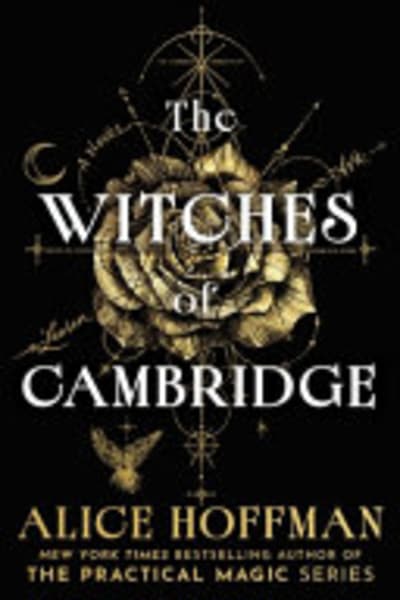
The Witches of Cambridge — Book Summary & Review
Last updated:
The Witches of Cambridge Summary
On the first pages of The Witches of Cambridge, Alice Hoffman seeds the whole plot with the Lilith Society framework—an origin story told through crows, drowned women, and the Adam-and-Eve backstory that the Puritans weaponized. Ava arrives at Radcliffe College in 1950s Cambridge, Maine-born but quickly swallowed by the town’s old money and older secrets, and Lauren—her opposite in personality and class—arrives already trained in being watched. Hoffman then structures the book around two overlapping mysteries: how the Lilith Society recruits and binds its members, and how McCarthyism tightens the atmosphere until “creative and intellectual life” feels like a liability. The novel’s colonial past isn’t a museum piece; it’s a living threat, hinted through recurring rituals and the sense that the missing girls aren’t random casualties but deliberate warnings.
Ava and Lauren’s bond is the engine, but Hoffman makes it earn its heat by giving both women distinct reasons to want out of their assigned lives. Ava wants permission to be brilliant without being punished for it; Lauren wants control without admitting she’s afraid. When the witch trials begin to echo in the present—especially as girls from the Society go missing—Hoffman uses the past as a pressure system rather than a history lesson. The crows in the trees aren’t decorative; they behave like witnesses, and the book keeps returning to that original moment when “the only witnesses were the crows” to remind you what gets erased.
Honest limitation: if you’re hoping for a clean, rational explanation of the magic system or a fully resolved ending, Hoffman mostly prefers mood, symbolism, and emotional causality over strict lore. Expect romance and dread more than procedural answers.
Key Takeaways from The Witches of Cambridge
-
1
Lilith Society: A secret institution at Radcliffe that recruits through lineage, testing, and promises with a cost.
-
2
McCarthyism Pressure: Political fear functions like weather in the novel, making every bold idea feel dangerous.
-
3
Crows-as-Witnesses: Recurring imagery that treats observation as power, not decoration, in Ava and Lauren’s story.
-
4
Recruitment Rituals: The book frames witchcraft as social belonging plus supernatural consequences, not solitary magic.
-
5
Missing Girls Pattern: The present-day disappearances mirror earlier witch trials, tightening the mystery’s stakes.
Who Should Read This
Someone who’s stuck in the “I’m smart, so why am I still being punished?” loop will feel seen by Ava’s constant negotiation with power. If you’re craving a romance-adjacent supernatural story set against 1950s Cambridge politics, Hoffman gives you both longing and menace.
Who Shouldn't Read This
If you want a tightly mapped magic system with clear rules and satisfying procedural payoff, The Witches of Cambridge will frustrate you. If you dislike atmosphere-heavy historical fantasy and prefer plot mechanics over symbolism, Hoffman’s style will feel too lyrical and shadowy.
Editor's Verdict
The best thing The Witches of Cambridge does is fuse the Lilith Society’s recruitment and colonial mythology with the real-life suffocation of McCarthy-era Cambridge; the missing-girls escalation makes that connection hurt. The real limitation is that Hoffman refuses to deliver a satisfying explanation of how the magic works, trading clarity for mood and myth. This hits hardest for readers who are tired of generic witch stories and want their supernatural romance tangled with institutional fear.
Ready to read The Witches of Cambridge?
Get your copy on Amazon today.
The Witches of Cambridge — Frequently Asked Questions
About Alice Hoffman
Alice Hoffman is an American author known for historical and contemporary fiction, including The Witches of Cambridge. She has written extensively about women, family, and folklore, drawing on her background in literature and research to craft witchcraft-themed narratives grounded in historical settings. Her credibility on this topic comes from her long record of published fiction that engages with European superstition and historical context. Other notable works include Practical Magic and The Rules of Magic.