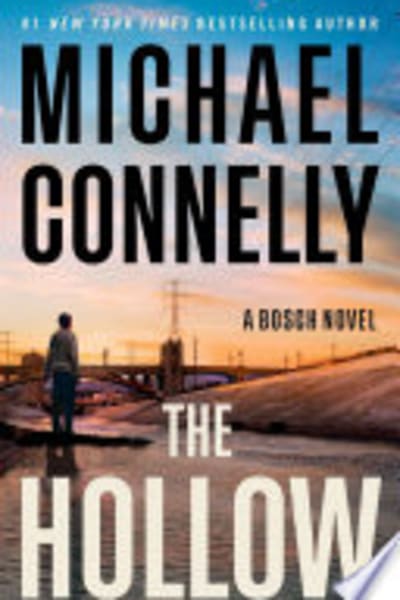
The Hollow — Book Summary & Review
Last updated:
The Hollow Summary
In The Hollow, Michael Connelly structures the story around Harry Bosch reopening an old theory tied to the children’s facility MacLaren Children’s Center and the hidden space the kids called “the hollow.” Bosch—now retired from the LAPD—gets a legal nudge from his half-brother, defense attorney Mickey Haller: Harry may be owed a settlement tied to the abuse that followed the center’s closure. Bosch refuses the money and chases something colder and more personal: justice for a boy named Chops, whom Bosch believes was killed in that sealed-off area under the stairs, then covered up. Connelly makes the past feel like evidence you can’t unsee. As Bosch digs through files and interviews, the investigation starts to look less like a closed-lost tragedy and more like a predator who survived childhood abuse and kept escalating—possibly even connected to a notorious unsolved case that hangs over the background like smoke.
What works best is how Connelly uses Bosch’s memory as a procedural tool: the same way a detective maps a crime scene, Bosch maps trauma—locations, routines, and the small details kids notice when adults lie. The book also benefits from Mickey Haller’s legal lens, which keeps the story from becoming a pure nostalgia loop. Still, The Hollow has a limitation: it’s firmly rooted in Bosch’s long-running world, so readers who don’t already know how Connelly writes Bosch’s internal logic may feel the emotional stakes arrive before the groundwork does.
Enjoyed this one? Read these next.
Top picks in Fiction, chosen for readers of The Hollow.
To Kill a Mockingbird
by Harper Lee
Check price on Amazon
1984
by George Orwell
Check price on Amazon
The Great Gatsby
by F. Scott Fitzgerald
Check price on Amazon
The Catcher in the Rye
by J.D. Salinger
Check price on AmazonKey Takeaways from The Hollow
-
1
MacLaren Children’s Center: The book treats an institution as a crime scene, not a backdrop, and tracks how abuse becomes evidence.
-
2
“The hollow”: This coined kid-term is the story’s physical mystery—an alleged hiding place that guides every later lead.
-
3
Mickey Haller’s settlement: The legal plot element functions like a deadline, forcing Bosch to act before the truth calcifies.
-
4
Harry Bosch’s refusal of money: Bosch’s choice reframes the case from compensation to accountability, narrowing his motivation to one goal.
-
5
The predator’s survival: Connelly connects past and present through escalation, suggesting the same hands can keep committing.
Who Should Read This
Someone who can’t stop thinking about how childhood harm turns into adult behavior will find Bosch’s obsession painfully specific. If you’re in a “give me crime fiction that feels procedural” mood, this will scratch that itch with a strong past-to-present structure.
Who Shouldn't Read This
If you want a fast, uncomplicated thriller with minimal backstory, The Hollow will frustrate you with its heavy reliance on Bosch’s history. If you dislike emotionally driven detective work—where memory and guilt are treated like leads—you may find the tone too bleak.
Editor's Verdict
The single best thing The Hollow does is make “the hollow” more than a location by using it to organize Bosch’s investigative method, especially as the case shifts from childhood rumor to adult verification. The real limitation is that the book depends on readers accepting Bosch’s long emotional arc, so newcomers may feel the stakes arrive before they’re fully earned. This will hit hardest for anyone who grew up watching institutions fail and is tired of stories that treat that failure as scenery rather than motive.
Ready to read The Hollow?
Get your copy on Amazon today.
The Hollow — Frequently Asked Questions
About Michael Connelly
Michael Connelly is an American author best known for crime fiction. He worked for the Los Angeles Times as a police reporter, covering law enforcement and courts, which informs his investigative, procedural style. He is credible on this topic because his writing draws on years of reporting on criminal justice. His notable works include The Lincoln Lawyer, The Brass Verdict, and The Poet.