The Road — Book Summary & Review
Last updated:
The Road Summary
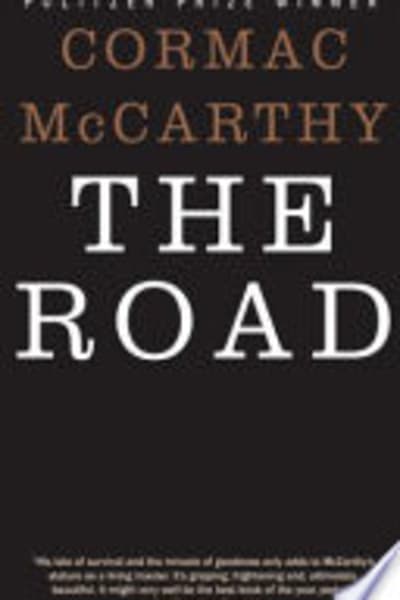
In Cormac McCarthy's The Road, the desolate landscape is as much a central character as the father and son who traverse it. Through sparse dialogue and vivid descriptions, McCarthy crafts a world where hope is scarce and survival is paramount. A poignant moment occurs in a scene involving a decaying supermarket, encapsulating the themes of desperation and fleeting humanity. McCarthy’s sparse punctuation and stripped-down prose style reflect the starkness of the world he depicts, making the reader feel the rawness of their struggle. However, those looking for intricate plot twists or character development might find the narrative too linear, as it focuses more on atmosphere and existential dread than traditional storytelling arcs. The novel's power lies in its exploration of love and morality in a post-apocalyptic world, yet it's not for everyone; the bleakness can be overwhelming for readers seeking optimism or a clear resolution.
Key Takeaways from The Road
-
1
The Shopping Cart: Represents survival and fragility, as the father and son transport their meager belongings in it.
-
2
The Gray World: McCarthy paints a colorless world, emphasizing the loss of life and vibrancy after the catastrophe.
-
3
The Pistol: Symbolizes both protection and despair, a last resort against the horrors of their world.
-
4
The Boy's Empathy: Contrasts with the father's pragmatism, highlighting the tension between morality and survival.
-
5
The Road Itself: Acts as a metaphor for the journey, both physical and existential, the characters must endure.
Who Should Read This
If you're grappling with questions about human nature or the essence of hope in desperate times, this book will resonate. Someone who appreciates minimalist prose and existential themes will find it rewarding.
Who Shouldn't Read This
If you're expecting a fast-paced plot or a hopeful ending, The Road will disappoint. Those who dislike bleak narratives may find its relentless darkness off-putting.
Editor's Verdict
McCarthy excels at creating a haunting atmosphere, particularly in the chapter involving an abandoned supermarket. The linear plot may bore readers seeking complex narratives. This book hits hardest for anyone questioning the depths of human resilience and love amidst devastation.
Ready to read The Road?
Get your copy on Amazon today.
The Road — Frequently Asked Questions
About Cormac McCarthy
Cormac McCarthy was an American novelist born on July 20, 1933, in Providence, Rhode Island. Known for his bleak and powerful prose, McCarthy gained credibility through his exploration of human survival and desolation, themes central to his Pulitzer Prize-winning novel "The Road." His background in exploring complex human experiences in harsh environments is further exemplified in notable works such as "Blood Meridian" and "No Country for Old Men." McCarthy's writing is marked by its philosophical depth and stark realism.