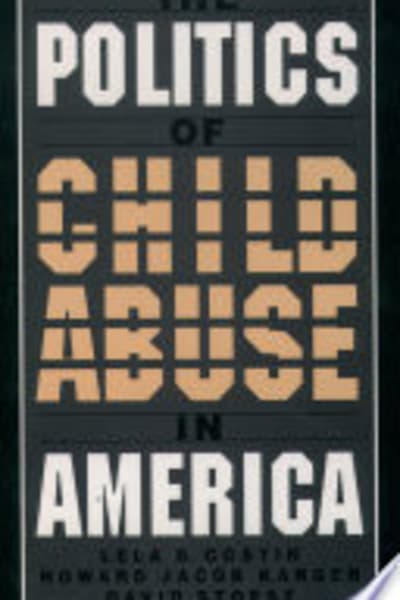
The Politics of Child Abuse in America — Book Summary & Review
Last updated:
The Politics of Child Abuse in America Summary
Costin frames The Politics of Child Abuse in America around a “child abuse industry” contradiction: resources swell for professionalized cases while injuries and deaths keep mounting under the very agencies tasked with protection. The book’s core historical move is to show how policy language, funding streams, and courtroom incentives grew together—so “prevention” and “accountability” often become slogans that justify more investigation rather than better care. Costin walks through the shift from earlier child welfare approaches toward a middle-class spotlight on “offenders,” arguing that the spotlight changes what gets measured, who gets believed, and which children are treated as politically urgent.
One concrete thread Costin returns to is how public systems can “protect” children while failing to stop harm—then convert those failures into new programs, new training requirements, and new legal/clinical work. She also pinpoints how the phrase “middle class problem” functions strategically: it helps mobilize attention, but it also narrows concern to cases that resemble the public’s preferred narrative of abuse. In the book’s policy recommendations, Costin pushes for structural reforms that reduce perverse incentives in investigation and adjudication, and she argues for accountability mechanisms that don’t require constant escalation of adversarial processes.
A limitation you should know up front: Costin is writing primarily for scholars, students, and practitioners in social work and related policy spaces, not for parents looking for scripts or day-to-day safety checklists. Also, the writing can feel dense when you’re not already tracking U.S. child welfare history and court-adjacent policy debates.
Still, if you read it as a political history of how institutions produce outcomes, Costin’s argument lands hard: the system’s contradictions aren’t accidental—they’re organized.
Key Takeaways from The Politics of Child Abuse in America
-
1
Child abuse industry: Costin uses this term for the expanding professional ecosystem that profits from cases and interventions.
-
2
Public agency “protection”: She argues agencies can legally “protect” while failing to prevent serious harm, then rebrand failures as progress.
-
3
Middle class problem: Costin shows how framing abuse as a middle-class issue reshapes attention, belief, and policy priorities.
-
4
Historical patterns: She traces how incentives in policy, courts, and services co-evolved, making contradictions repeat across decades.
-
5
Policy recommendations: Costin favors structural fixes that reduce adversarial escalation and align resources with actual prevention outcomes.
Who Should Read This
Someone who works in child welfare, social work, or legal-adjacent policy and keeps seeing the same procedural failures will get traction from Costin’s institutional lens. If you’re a student writing about child abuse policy and need a historical explanation for why “accountability” doesn’t automatically mean safety, this helps.
Who Shouldn't Read This
If you want practical parenting guidance or immediate prevention checklists, Costin will frustrate you because the book is primarily political and institutional. If you dislike dense, policy-history analysis and want a lighter narrative, you’ll likely bounce off the book’s argument-heavy structure.
Editor's Verdict
Costin’s best contribution is her historical linking of the “child abuse industry” to incentive structures, especially her insistence that public agencies can fail while still producing case-driven expansion. The real limitation is that the book offers policy-level analysis more than actionable guidance for everyday caregivers. This will hit hardest for social work students and early-career practitioners who are mid-orientation and realizing the system’s contradictions show up on the job, not just in theory.
Ready to read The Politics of Child Abuse in America?
Get your copy on Amazon today.
The Politics of Child Abuse in America — Frequently Asked Questions
About Lela B. Costin
Lela B. Costin is a scholar and author known for research on child welfare, social policy, and child abuse in the United States. She has academic and professional expertise in social work and public policy, giving her credibility to analyze how institutions respond to abuse and neglect. Her book The Politics of Child Abuse in America examines the political and policy forces shaping child protection. She is also the author of In the Best Interests of the Child: The Politics of Child Welfare.