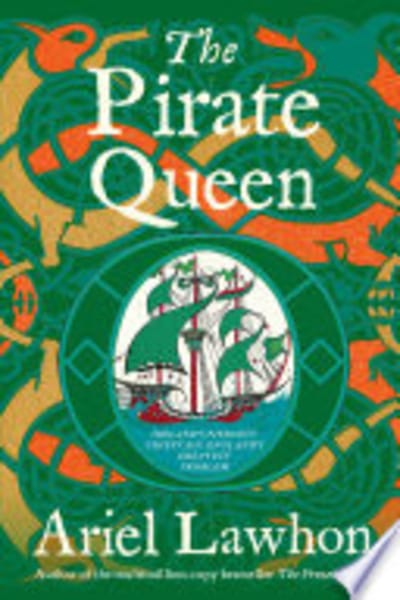
The Pirate Queen — Book Summary & Review
by Ariel Lawhon
Last updated:
The Pirate Queen Summary
Grace O’Malley’s story is framed through her competing obligations—sea command versus clan duty—and Ariel Lawhon keeps returning to that collision as her engine. The novel opens with Grace being raised inside a noble family where “being useful” means securing alliances and producing heirs, not steering. Lawhon then sharpens the conflict by forcing Grace into foster life with a nearby clan, where her attraction to the clever second son becomes both romance and political risk. When she’s married off to a brutal warrior, the book turns into a grim study of how survival can look like complicity: Grace performs her duties, builds rapport, and quietly gathers followers while the men around her mistake her restraint for submission. One concrete example is how Lawhon stages Grace’s rise through small acts of logistics—who gets fed, who gets paid, which ships are maintained—until leadership feels earned rather than handed down.
After Grace is ousted from her husband’s lands, the narrative pivots into her return to sea, and Lawhon treats that shift as a hard-won reclaiming, not a fairy-tale escape. The Queen Elizabeth pressure ramps up as English incursions into Ireland intensify, and the book’s tension lands hardest when power moves from open violence into paperwork, deputies, and “official” cruelty. Lawhon also gives you specific set pieces: the fleet consolidation where Grace must earn loyalty from people who once served her enemy, and the later confrontations with English deputies who keep changing the rules of the fight.
Limitation: this is not a romance-first novel, and Lawhon doesn’t spend much time on the emotional aftermath of every betrayal—some readers will want more interior processing and less forward momentum.
Key Takeaways from The Pirate Queen
-
1
Grace O’Malley’s Duty vs. Command: Lawhon sets leadership as a choice you make under constraint, not a destiny you inherit.
-
2
Foster Clan Politics: The foster period functions like a training ground in negotiation, where affection becomes leverage and liability.
-
3
Building Followers Through Logistics: Grace’s power grows via provisioning, maintenance, and loyalty networks, not speeches or luck.
-
4
Elizabeth’s Incursions as Bureaucratic Violence: The English threat is shown through deputies and enforcement, not only battlefield clashes.
-
5
Fleet Consolidation as Legitimacy: Command depends on converting former enemies into stakeholders with real reasons to follow.
Who Should Read This
If you’re craving female-led historical fiction where power is built through decisions, not just destiny, this will fit. Someone who’s tired of clean, consequence-free romances and wants politics, coercion, and strategy in the same room should try Lawhon’s The Pirate Queen.
Who Shouldn't Read This
If you want a deeply introspective book that lingers after every emotional rupture, you’ll likely feel rushed by Lawhon’s forward drive. If you only read romance for the relationship payoff, the plot’s political and military focus may frustrate you.
Editor's Verdict
The best part of The Pirate Queen is Lawhon’s insistence that Grace’s rise is made out of logistics and loyalty, especially during the fleet consolidation and the later confrontations with English deputies. The limitation is that the novel leans heavily on action and political motion while offering less sustained emotional processing than some readers will want. This will hit hardest for anyone who loves historical fiction like The Red Tent?—especially if you’re in a phase of life where you’re questioning whether “duty” can be a path to freedom rather than a cage.
Ready to read The Pirate Queen?
Get your copy on Amazon today.
The Pirate Queen — Frequently Asked Questions
About Ariel Lawhon
Ariel Lawhon is an American author and historian specializing in early modern European and colonial history. She holds an academic background in history and has written extensively for historical audiences, using primary sources to reconstruct daily life and political power in the seventeenth century. This expertise supports her research-driven portrayal of Anne Bonny and Mary Read in The Pirate Queen. Other notable works include The Mermaid, the Witch, and the Sea.