The outlaw of Torn — Book Summary & Review
Last updated:
Public domain via Project Gutenberg — free and legal.
The outlaw of Torn Summary
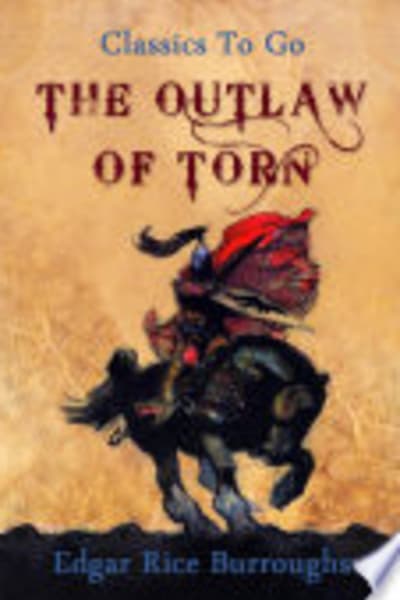
The Outlaw of Torn is built around a neat, frustratingly effective setup: Norman of Torn is raised as a “simple, brutal killing machine” for the Henry III vs. Simon de Montfort power struggle, and the book keeps testing whether that training can survive contact with letters, conscience, and women. Burroughs keeps the engine running by making Norman’s origin story do double duty—part revenge plot against the Frenchman de Vac, part political backdrop—and then interrupting it with a priest who teaches him to read and pushes him toward chivalry instead of pure slaughter. In the early run of the book, Norman’s hatred of everything English isn’t a vague mood; it’s a behavioral program, and Burroughs shows you the cost of that program in scene after scene where Norman’s instincts are wrong for the moment he’s in. The priest’s interventions feel like a moral counterattack, and the tension between “raised” and “made” is the real conflict, not the swordplay.
If you want a concrete example, the priest’s tutoring—letters first, then a code of conduct—functions like a second plotline inside the action: each lesson creates a new kind of vulnerability Norman didn’t have before. Another example is Norman’s relationship with women, which Burroughs uses less as romance and more as a stress test for the chivalry the priest insists on. Burroughs isn’t subtle about it, but he’s consistent: Norman doesn’t become good because he suddenly understands history; he becomes conflicted because education gives him language for consequences.
Limitation: this novel leans hard on early-20th-century pulp pacing and moral simplifications, so if you want nuanced medieval politics or psychologically realistic characters, you’ll likely feel the seams. Also, it’s short enough that some turns arrive quickly, leaving you to accept rather than fully savor the transitions—whether you like that speed depends on your taste.
Key Takeaways from The outlaw of Torn
-
1
Norman of Torn Training: Burroughs treats violence as a learned system, then stresses it with literacy and manners.
-
2
Henry III vs Simon de Montfort Setting: the political struggle functions mainly as pressure for raids, not as studied history.
-
3
Priest’s Tutoring: reading and “chivalry towards women” work like plot levers that rewire Norman’s reactions.
-
4
De Vac Revenge Logic: the French fencing-master’s grudge supplies Norman’s motive engine and explains his cruelty.
-
5
Norman’s Hatred Program: the story measures transformation by how often Norman can act against his inherited hatred.
Who Should Read This
If you’re in a mood for brisk outlaw-and-knights fiction where moral change is dramatized through education rather than speeches, this fits. Someone who’s tired of modern realism and wants a punchy, early pulp structure—Norman’s training colliding with the priest’s lessons—will likely enjoy it.
Who Shouldn't Read This
If you come to historical fiction expecting careful, multi-perspective politics around Henry III and Simon de Montfort, you’ll feel shortchanged. If you dislike pulp-era simplifications—especially the way characters pivot on morality lessons—you may find Norman’s transformation too tidy.
Editor's Verdict
The single best thing The Outlaw of Torn does is stage Norman’s transformation through the priest’s literacy and chivalry tutoring, making education itself the mechanism of change. The real limitation is that Burroughs uses the medieval political conflict mainly as background fuel, not as the rich subject it promises. This hits hardest for readers who want a quick, old-school moral adventure right after a stretch of heavy, nuanced historical novels and need something simpler to move through.
Ready to read The outlaw of Torn?
Get your copy on Amazon today.
The outlaw of Torn — Frequently Asked Questions
About Edgar Rice Burroughs
Edgar Rice Burroughs (1875–1950) was an American writer best known for adventure fiction. He grew up in the Midwest and worked a variety of jobs before turning to writing. Burroughs is credible for The Outlaw of Torn because he drew on his long experience crafting frontier and Western-style plots and wrote extensively in the genre. He also authored Tarzan of the Apes and The Land That Time Forgot.