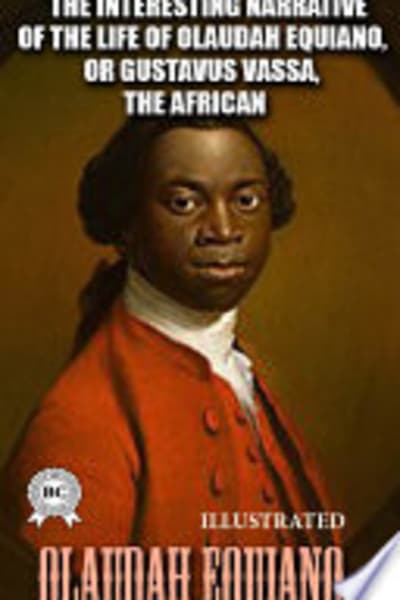
The Interesting Narrative of the Life of Olaudah Equiano, Or Gustavus Vassa, The African: Written By Himself — Book Summary & Review
Last updated:
Public domain via Project Gutenberg — free and legal.
The Interesting Narrative of the Life of Olaudah Equiano, Or Gustavus Vassa, The African: Written By Himself Summary
Equiano frames his autobiography by repeatedly returning to two engines: the documentary detail of his life and the moral argument he builds through Scripture. Early on, he lays out how a child taken from Africa becomes “Gustavus Vassa,” then insists that his later self-making—learning, bargaining, praying—was not a miracle but a method he could practice. The narrative leans hard into recognizable forms at once: slavery narrative, travel narrative, and spiritual narrative, and Equiano (yes, he makes the name a theme) uses those shifts to show how power works across ships, ports, and households. One concrete anchor is his account of life at sea and the way ordinary labor and violence become routine, so the horror doesn’t arrive as a single scene; it accumulates. Another anchor is his Bible-centered turn: Equiano describes studying scripture as a path to independence and dignity, especially when freedom feels like a legal loophole other people control. The book’s structure also matters: it moves forward like a life story while pausing often enough for the reader to see Equiano’s reasoning—why he believes God can be invoked without surrendering agency, and why literacy and trade can change your bargaining position. If you’re looking for a tidy emotional arc, you may feel the seams where the autobiography turns into argument. The limitation is real: Equiano doesn’t offer a modern, systematic explanation of the economics of slavery or a full account of every political debate of his era; he offers lived experience and moral interpretation, not a comprehensive historical study. That’s the trade. You finish with a sharper sense of how Equiano survived by turning knowledge into leverage, but you may wish the book stayed longer inside the mechanics of abolitionist politics rather than returning to personal testimony and faith.
Key Takeaways from The Interesting Narrative of the Life of Olaudah Equiano, Or Gustavus Vassa, The African: Written By Himself
-
1
Gustavus Vassa as a name: Equiano uses identity change to show how slavery rewires paperwork, memory, and power.
-
2
Bible study for agency: Scripture functions as a practical discipline, not only comfort, guiding choices about work, conduct, and freedom.
-
3
Shipboard routine as evidence: Equiano treats daily labor and discipline aboard vessels as cumulative proof of slavery’s normalization.
-
4
Freedom as negotiation: Equiano’s path is built through bargaining, purchases, and contracts, not a single heroic escape.
-
5
Autobiography-as-argument: Equiano’s narrative form shifts between travel, spiritual reflection, and testimony to persuade the reader.
Who Should Read This
If you’re wrestling with how people preserve dignity under systems that treat them as property, this autobiography will land with force. Someone who wants both lived detail and moral reasoning—especially through Equiano’s Bible-centered turn—should read it now rather than postponing.
Who Shouldn't Read This
If you want a tightly researched, modern historical analysis of slavery’s politics and economics, Equiano will frustrate you. Someone who needs a consistent, scene-by-scene narrative momentum may find the frequent spiritual and argumentative pauses disruptive.
Editor's Verdict
The single best thing this book does is use its blended structure—slavery narrative, travel narrative, and spiritual narrative—to make Equiano’s freedom-seeking feel like strategy, not luck, especially around his scripture-centered learning. The limitation is that it won’t satisfy readers who come for a comprehensive, politically detailed history of abolitionist movements and slave-trade networks. If you’re the type who’s questioning your faith in “self-making” after a rough year, Equiano’s insistence on discipline and leverage hits hardest when you’re deciding what to do with your next breath.
Ready to read The Interesting Narrative of the Life of Olaudah Equiano, Or Gustavus Vassa, The African: Written By Himself?
Get your copy on Amazon today.
The Interesting Narrative of the Life of Olaudah Equiano, Or Gustavus Vassa, The African: Written By Himself — Frequently Asked Questions
About Olaudah Equiano
Olaudah Equiano (c. 1745–1797), also known as Gustavus Vassa, was an African-born writer whose autobiography, The Interesting Narrative of the Life of Olaudah Equiano, Or Gustavus Vassa, The African: Written By Himself, recounts his life from enslavement to freedom. Born in West Africa, he was kidnapped and sold into Atlantic slavery, later gaining freedom and becoming active in abolitionist efforts. His firsthand experience makes him a credible primary source on the transatlantic slave trade. Other works include a pamphlet, Thoughts and Sentiments on the Evil and Wicked Traffic of the Slavery (1787).