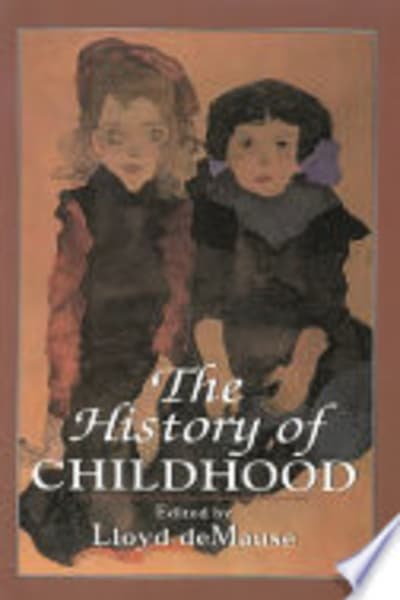
The History of Childhood — Book Summary & Review
Last updated:
The History of Childhood Summary
In The History of Childhood, Lloyd DeMause organizes his argument around a recurring claim: childhood has not been a steady “natural” stage, but something shaped—and often brutalized—by shifting adult attitudes and institutions. DeMause’s structure moves chronologically while repeatedly returning to a single ugly engine: how parents, courts, medicine, and welfare systems treated children when they assumed children were emotionally fragile, morally suspect, or politically irrelevant. One of the book’s most concrete anchors is his use of a staged model of parental behavior—his well-known “psychogenic” lens—where the meaning of “care” changes over time as societies learn (or refuse) to recognize children’s inner lives. DeMause also leans on historical case material: not just laws and customs, but descriptions of parenting practices, medical interpretations, and the language adults used to justify harsh treatment.
If you read DeMause for sociology, you’ll get plenty of it; if you read him for psychology, you’ll notice how insistently DeMause treats the family as the main site where psychic damage is transmitted. He argues that modern child-rearing didn’t arrive because adults suddenly became kinder, but because cultural systems gradually stopped treating children as miniature adults or as disposable property. The most useful sections are the ones where DeMause ties everyday practices—discipline, confinement, neglect—to larger historical shifts, showing how “progress” can mean better rationalizations, not automatically better outcomes.
Honest limitation: this is not a balanced survey that weighs every competing interpretation of childhood history, and DeMause’s tone can feel more like indictment than evidence. If you want careful methodology, footnoted debates, or a neutral catalog of facts, DeMause will frustrate you. Still, if you’re willing to argue with him, The History of Childhood makes you look at your own assumptions about what childhood is supposed to be—and why.
Key Takeaways from The History of Childhood
-
1
Psychogenic lens: DeMause treats parenting history as a record of adult emotional capacity and psychic handling of children.
-
2
Stages of parental behavior: He frames shifts in childrearing as movement through recognizable patterns of what adults believe children feel.
-
3
Adult attitudes as institutions: DeMause connects family practice to courts, medicine, and welfare, making “care” a social system.
-
4
Children as emotional beings: His core move is that society’s recognition of inner childhood changes what counts as harm or nurture.
-
5
Historical case material: DeMause uses descriptions of discipline and confinement to show how ideology becomes routine.
Who Should Read This
If you’re parenting and constantly asking whether your instincts are “new” or just a different version of older scripts, DeMause will sharpen that question. Someone who’s reading child development history for explanations of why harsh practices persisted will find his causal focus hard to ignore.
Who Shouldn't Read This
If you want a calm, method-forward academic history that fairly compares schools of thought, you’ll likely hate DeMause’s prosecutorial tone. If you only want modern, practical parenting guidance, this book will feel like a long argument with no payoff for today’s checklists.
Editor's Verdict
The single best thing DeMause does is link everyday parenting practices to large institutional changes through his psychogenic framing, especially when he shows how discipline and neglect track shifting beliefs about children’s inner lives. The real limitation is that DeMause offers a strongly one-directional narrative without the kind of careful balancing you’d expect from a textbook-style history. This hits hardest for anyone early in a parenting journey who’s trying to understand whether “good parenting” is cultural invention or genuine moral progress.
Ready to read The History of Childhood?
Get your copy on Amazon today.
The History of Childhood — Frequently Asked Questions
About Lloyd DeMause
Lloyd DeMause is an American historian and writer known for work on the history of childhood. He is credible on the topic through his long-term research and publication on how child-rearing practices and attitudes have changed over time. His most notable book is The History of Childhood. He also wrote The Emotional Life of Nations.