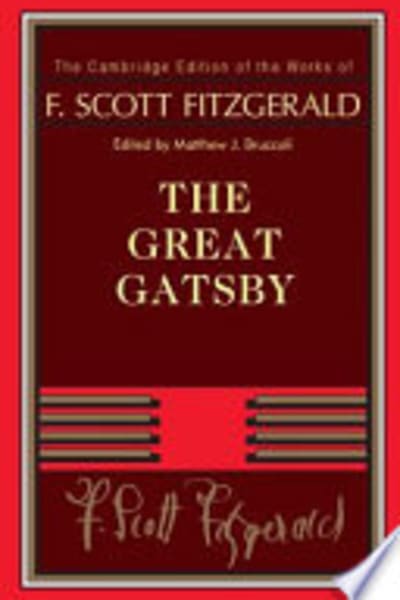
The Great Gatsby — Book Summary & Review
Last updated:
The Great Gatsby Summary
The Great Gatsby opens with Nick Carraway's reflections on his time in West Egg and his encounters with the enigmatic Jay Gatsby. Fitzgerald's portrayal of the lavish parties in Chapter 3, where Gatsby's guests indulge in excess without ever meeting their mysterious host, sets the stage for a story of illusion and disillusionment. The green light at the end of Daisy Buchanan's dock symbolizes Gatsby's unreachable dreams and ultimately, the futility of the American Dream itself. Fitzgerald’s prose is lush and beautiful, painting a vivid picture of the Jazz Age's glamour and decay. However, the novel does not delve deeply into the perspectives of its female characters, often leaving Daisy and others as enigmatic as Gatsby himself, which may frustrate readers seeking a more balanced narrative.
Key Takeaways from The Great Gatsby
-
1
The Green Light: Represents Gatsby's unreachable dreams and the broader theme of the elusive American Dream.
-
2
The Eyes of Dr. T.J. Eckleburg: A billboard that symbolizes the moral decay hidden beneath the surface of wealth.
-
3
Gatsby's Parties: Extravagant gatherings that highlight the shallowness and fleeting nature of the characters' lifestyles.
-
4
Valley of Ashes: A desolate area symbolizing the dark side of the American Dream and social disparity.
-
5
The Car Accident: A pivotal event that underscores the recklessness and carelessness of the novel's characters.
Who Should Read This
Someone who is fascinated by the contrasts between wealth and morality in the Jazz Age will find this book intriguing. If you're grappling with questions about the American Dream's attainability, Fitzgerald's narrative offers a poignant exploration.
Who Shouldn't Read This
If you're looking for a fast-paced plot with action around every corner, Fitzgerald's more introspective style may disappoint. Those seeking a narrative deeply centered on female perspectives might find the book lacking in depth regarding its female characters.
Editor's Verdict
Fitzgerald's exploration of the American Dream through the enigmatic Jay Gatsby is its greatest strength. The novel's limited female perspectives might leave some readers wanting more. The Great Gatsby is perfect for anyone reflecting on the illusions and realities of success, especially in times of personal or societal transition.
Ready to read The Great Gatsby?
Get your copy on Amazon today.
The Great Gatsby — Frequently Asked Questions
About F. Scott Fitzgerald
F. Scott Fitzgerald (1896-1940) was an American novelist born in St. Paul, Minnesota. He is renowned for his depiction of the Jazz Age, a term he coined, and is best known for "The Great Gatsby" (1925), a novel exploring themes of wealth, love, and the American Dream. His credibility stems from his firsthand experience of the 1920s social milieu. Other notable works include "This Side of Paradise" (1920) and "Tender Is the Night" (1934).