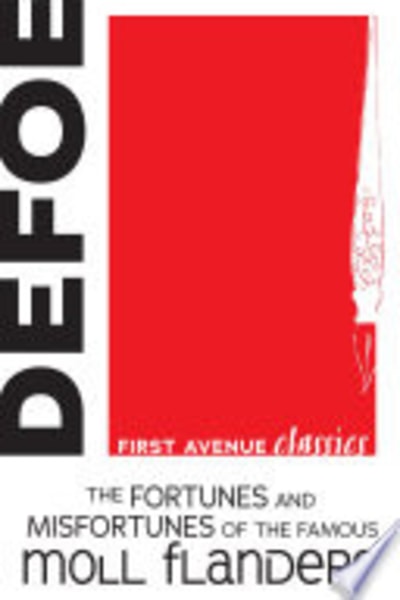
The Fortunes and Misfortunes of the Famous Moll Flanders — Book Summary & Review
Last updated:
Public domain via Project Gutenberg — free and legal.
The Fortunes and Misfortunes of the Famous Moll Flanders Summary
In The Fortunes and Misfortunes of the Famous Moll Flanders, Defoe builds the book as a first-person record of Moll’s rise, fall, and self-justifying narration, and that structure is the engine of both the suspense and the moral mess. Moll’s early life is framed by her mother’s imprisonment and her upbringing by a “kind widow,” then Defoe tightens the screws: Moll is seduced by the widow’s oldest son, only to be pushed into marrying his brother instead. That marriage’s collapse—husband dies, children left without support—becomes Moll’s pivot from romantic misfortune to calculated survival. From there, Defoe’s language keeps pretending it’s reporting events while it quietly reveals Moll’s bargaining mind: she learns that respectability is expensive, and crime can be cheaper than hunger.
What makes the novel stick is how Defoe stages a repeating cycle: each time Moll tries to “secure” stability through another marriage, the arrangement turns temporary, and the costs arrive faster than her promises. The book’s imprisonment portion changes the tone most sharply. In jail, Moll’s voice shifts toward repentance, and Defoe lets that repentance feel less like a clean conversion and more like a last remaining strategy—an attempt to regain control when the world has already taken everything else. The final effect is uncomfortable: Moll’s “quest” for a man with money is never treated as a simple plot device; Defoe uses it to expose how dependency can masquerade as ambition.
Honest limitation: this is not a gentle moral fable with tidy lessons. If you want modern pacing or sympathy without moral ambiguity, Defoe’s relentless focus on transactional relationships and criminal detail may frustrate you.
Key Takeaways from The Fortunes and Misfortunes of the Famous Moll Flanders
-
1
Moll’s first-person narration frames every event as self-defense, so her credibility feels conditional, not trustworthy.
-
2
Marriage-as-economics shows up as Moll treating husbands like funding sources when poverty closes in.
-
3
Imprisonment and repentance shift the voice toward moral accounting, but it still reads like survival planning.
-
4
The widow-and-seduction setup functions as a trap mechanism, converting desire into obligation and then abandonment.
-
5
Defoe’s cycle of failed “security” marriages argues that choices under pressure can still be shaped by greed.
Who Should Read This
Someone who is stuck in a pattern of chasing stability through other people—jobs, partners, patrons—and then crashing when the arrangement ends. If you’re curious how a 1722 novel handles survival math, shame, and moral self-justification in one breath, Moll will fit the mood.
Who Shouldn't Read This
Someone who wants a character arc that earns redemption through consistent growth will be disappointed by Moll’s messy, strategic repentance. If you’re easily put off by detailed crime and transactional sex-and-marriage dynamics, Defoe’s unromantic focus will wear you down.
Editor's Verdict
The single best thing Defoe does is keep Moll’s narration slippery—especially when the widow’s family setup leads into the brother-marriage and then the later jail repentance. The real limitation is that the book offers no soothing emotional distance: it pushes you through poverty, wrongdoing, and justification without turning it into a clean moral lesson. Anyone who’s sick of “redemption arcs” and wants to see how self-interest can dress up as virtue will feel it hardest during Moll’s shift inside prison.
Ready to read The Fortunes and Misfortunes of the Famous Moll Flanders?
Get your copy on Amazon today.
The Fortunes and Misfortunes of the Famous Moll Flanders — Frequently Asked Questions
About Daniel, 1661?-1731 Defoe
Daniel Defoe (1661?–1731) was an English writer and journalist. Born in London to a Protestant family, he worked in commerce and publishing before becoming known for political writing and reporting. His credibility on Moll Flanders comes from his extensive experience with crime, poverty, and social conditions in early 18th-century England, which he drew on in realistic narrative fiction. Other notable works include Robinson Crusoe (1719) and A Journal of the Plague Year (1722).