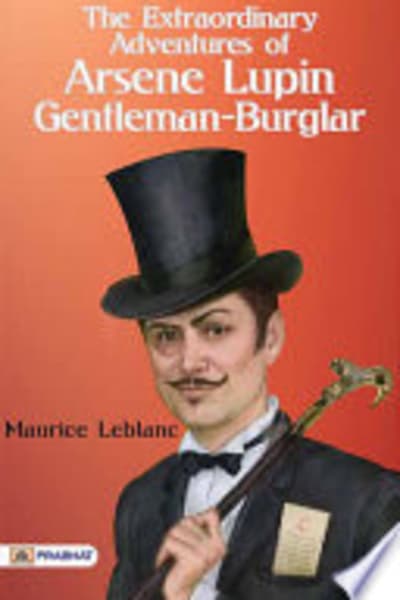
The Extraordinary Adventures of Arsène Lupin, Gentleman-Burglar — Book Summary & Review
Last updated:
Public domain via Project Gutenberg — free and legal.
The Extraordinary Adventures of Arsène Lupin, Gentleman-Burglar Summary
The Extraordinary Adventures of Arsène Lupin, Gentleman-Burglar is built as a chain of brisk, puzzle-box heists where Lupin’s signature move is always some variant of disguise plus timing, and the book’s charm comes from watching Leblanc keep rearranging the rules. Early on, you feel Leblanc courting the reader with glamour and misdirection, then steadily sharpening the mechanics: clues that look decorative turn out to be functional, and “romantic” flourishes double as cover stories. Lupin isn’t merely stealing; he’s staging, rehearsing, and then walking away as if the world is his set. One concrete example that lands hard is the way the narrative treats identity as a tool rather than a fact—Lupin changes roles the way other characters change coats, and the plot uses that habit to produce both suspense and comedy. Leblanc also structures the book around recurring cat-and-mouse dynamics, so even when the plot pivots, the emotional rhythm stays familiar: investigators chase, Lupin vanishes, and the reader gets the satisfaction of realizing the chase was part of the performance. If you’ve read Arthur Conan Doyle, you’ll recognize the gravitational pull—Lupin is a French counterpart in spirit—but Leblanc’s tone is lighter, more theatrical, and more interested in the social theater of crime than in grim detection. That said, Leblanc’s writing can feel of its era: the pacing is quick, the coincidences occasionally convenient, and the final explanations sometimes prioritize style over airtight logic. This is a short, indulgent volume, and it won’t satisfy readers who want procedural realism or thick psychological depth. You’ll likely finish it smiling, but you also may end up wishing Leblanc had slowed down for consequences that linger beyond the next trick.
Key Takeaways from The Extraordinary Adventures of Arsène Lupin, Gentleman-Burglar
-
1
Arsène Lupin’s disguises: identity is treated like a switch, letting the plot “reset” without warning you.
-
2
Heist timing: the most important clue is often when, not what—Leblanc schedules revelations like stage cues.
-
3
Misdirection as structure: scenes are arranged so the obvious detail turns out to be cover, not information.
-
4
The cat-and-mouse rhythm: investigators chase while Lupin performs; the chase itself becomes entertainment.
-
5
Era-specific plotting: coincidences and light logic prioritize flair over procedural realism and lasting consequence.
Who Should Read This
Someone who wants a fast, stylish crime story for a weekend read—where the fun is watching Lupin out-act everyone—should pick this up. If you’re currently stuck in heavier detective fiction and craving something theatrical, Leblanc’s Lupin will feel like a change of pace.
Who Shouldn't Read This
If you need airtight detective logic, you’ll feel the book’s convenience whenever the explanation arrives too neatly. If you’re looking for deep character psychology or long-term fallout, Leblanc’s short-form, trick-forward approach will frustrate you.
Editor's Verdict
The single best thing this book does is turn identity into a plot engine—Leblanc repeatedly uses disguises and staged roles to make the chase feel like part of the entertainment. The real limitation is that the logic can be conveniently elastic, with explanations that sometimes choose style over strict plausibility. Anyone who’s burned out on grim modern procedurals will enjoy Lupin most when they’re ready to trade realism for theatrical cleverness and quick suspense.
Ready to read The Extraordinary Adventures of Arsène Lupin, Gentleman-Burglar?
Get your copy on Amazon today.
The Extraordinary Adventures of Arsène Lupin, Gentleman-Burglar — Frequently Asked Questions
About Maurice Leblanc
Maurice Leblanc (1864–1941) was a French writer and journalist. He became credible on the topic of Arsène Lupin through his authorship of the character, beginning with stories published in 1905, which established Lupin’s traits and adventures. Leblanc drew on his experience in French literary circles and periodical publishing. Other notable works include The Hollow Needle (L’Aiguille creuse) and The Confessions of Arsène Lupin (Les Confidences d’Arsène Lupin).