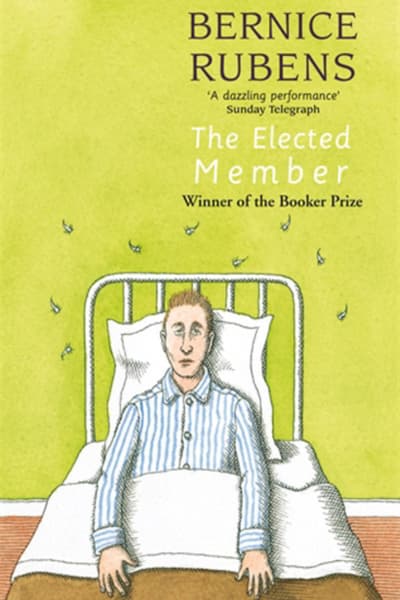
The Elected Member — Book Summary & Review
Last updated:
The Elected Member Summary
In Bernice Rubens' 'The Elected Member', the narrative structure is heavily anchored by Norman Zweck's confinement and the impact it has on his family. The book plunges the reader into the turmoil of a Jewish family in London's East End, depicting the unraveling of Norman, an erstwhile brilliant barrister, now consumed by drug addiction and paranoia. The chapter 'The Hospital' starkly details Norman's perception of his committal as a betrayal, juxtaposing his inner chaos with his father Rabbi Zweck's feelings of guilt and failure. Rubens' portrayal of the Zweck family is intimate and raw, revealing the complexities of familial bonds and the personal struggles within. What the book doesn't offer is an extensive exploration of the external societal pressures the family faces, focusing instead on the internal dynamics that drive the narrative. This might frustrate readers looking for a broader social commentary, as the focus remains tightly on the family's internal struggles and less on their cultural or political context.
Key Takeaways from The Elected Member
-
1
Norman's Hallucinations: Rubens uses Norman's vivid hallucinations to symbolize his mental decline, showing his fractured reality.
-
2
Rabbi Zweck's Guilt: The father grapples with his son's failure, reflecting on his own perceived shortcomings and parental guilt.
-
3
Bella's Role: As the sister, Bella acts as a bridge between Norman and their father, striving for familial peace.
-
4
The Hospital: Represents Norman's internalized betrayal, his final descent into isolation and desperation.
-
5
The Ankle Socks: Bella's socks symbolize her arrested development and her role within the family dynamic.
Who Should Read This
Someone who is grappling with the pressures of family expectations and desires a narrative that explores mental illness. If you are interested in intimate family dynamics set against a Jewish cultural backdrop, this book offers a unique perspective.
Who Shouldn't Read This
If you are seeking a narrative with a strong focus on external societal issues or political commentary, this book will disappoint. The story is deeply personal and insular, concentrating on the family rather than broad cultural or political themes.
Editor's Verdict
Rubens excels at portraying the nuanced dynamics within the Zweck family, particularly in the chapter 'The Hospital'. However, the book's insular focus might leave readers wanting a broader societal context. This book resonates most if you're navigating complicated family relationships or seeking a deep dive into personal and familial struggles.
Ready to read The Elected Member?
Get your copy on Amazon today.
The Elected Member — Frequently Asked Questions
About Bernice Rubens
Bernice Rubens (1923-2004) was a Welsh author and filmmaker, known for her insightful exploration of Jewish identity and family dynamics. She gained credibility with her novel "The Elected Member," which won the Booker Prize in 1970, drawing on her Jewish heritage and personal experiences. Rubens was the first woman to receive this prestigious award. Other notable works include "Madame Sousatzka" and "Brothers," further establishing her as a prominent figure in contemporary literature.