Sense and Sensibility - Illustrated Edition — Book Summary & Review
by Jane Austen
Last updated:
Sense and Sensibility - Illustrated Edition Summary
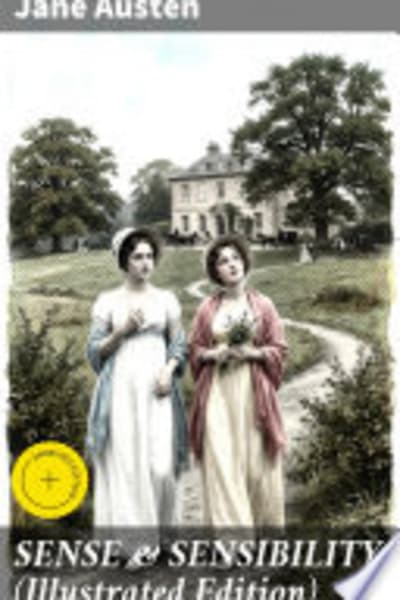
Austen's 'Sense and Sensibility' opens with the Dashwood sisters, Elinor and Marianne, grappling with the constraints of inheritance laws that favor male heirs, setting the stage for a deep exploration of emotion versus reason. Through chapters like 'The First Attachments,' Austen skillfully contrasts Elinor's restraint with Marianne's impulsive passion, highlighting societal expectations and personal desires. The illustrated edition enriches this narrative, visually enhancing the detailed social interactions and landscapes that frame the sisters' lives. Austen's wit and irony shine particularly in her portrayal of the fickle nature of societal favor, as seen in the character of Lucy Steele. However, those seeking modern plot twists or fast-paced storytelling might find the narrative style a bit slow and the social customs dated. Austen's work is more about the steady unfolding of character than the action-packed drama some readers may expect.
Key Takeaways from Sense and Sensibility - Illustrated Edition
-
1
Inheritance Laws: Austen begins with the Dashwood sisters' disinheritance, a catalyst for exploring gender and social class dynamics.
-
2
Chapter 'The First Attachments': This section contrasts Elinor's and Marianne's approaches to love, illuminating their different worldviews.
-
3
Irony and Wit: Austen's use of irony critiques societal norms, particularly through characters like Mrs. Jennings and Lucy Steele.
-
4
Illustrated Edition: The illustrations add depth to the narrative by visually capturing key moments and character expressions.
-
5
Social Constraints: Characters' actions are heavily dictated by societal expectations, a recurring theme throughout the novel.
Who Should Read This
Someone who loves diving into the intricacies of historical social customs and the emotional nuances of well-developed characters. If you're fascinated by the tension between societal expectations and personal desires, this book will resonate deeply.
Who Shouldn't Read This
If you're expecting a fast-paced plot with modern twists, this isn't the book for you. The narrative focuses more on character development and social commentary than thrilling action or suspense.
Editor's Verdict
The best aspect of this book is Austen's character development, particularly in chapters like 'The Engagement,' where emotional and rational decisions clash. However, the slow pace and focus on early 19th-century social mores may alienate those looking for contemporary relevance. Anyone intrigued by historical social dynamics or exploring the balance between reason and emotion will find this book rewarding, especially if they're in a reflective phase of life.
Ready to read Sense and Sensibility - Illustrated Edition?
Get your copy on Amazon today.
Sense and Sensibility - Illustrated Edition — Frequently Asked Questions
About Jane Austen
Jane Austen (1775–1817) was an English novelist known for her keen observations of early 19th-century British society. Born in Steventon, Hampshire, she was the seventh of eight children in a close-knit family. Austen is credible on the topic of social manners and relationships, as her novels often explore these themes with wit and insight. Besides "Sense and Sensibility," her notable works include "Pride and Prejudice" and "Emma," which remain influential in literature and popular culture.