The Dangerous Summer — Book Summary & Review
Last updated:
The Dangerous Summer Summary
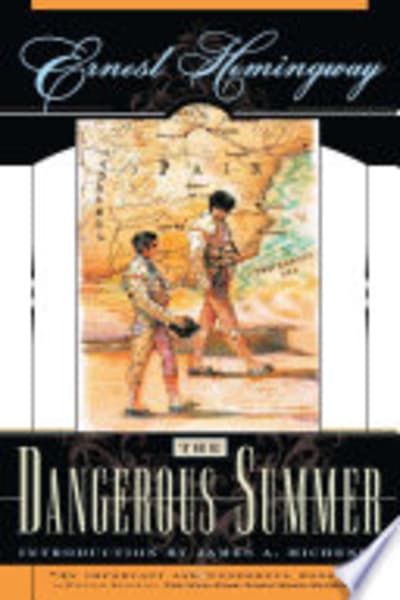
In 'The Dangerous Summer', Hemingway chronicles the intense rivalry between two celebrated matadors, Antonio Ordóñez and Luis Miguel Dominguín, during the bullfighting season of 1959 in Spain. Hemingway immerses readers in the charged atmosphere of bullfighting, capturing the tension and artistry inherent in each corrida. One standout section is 'The Man Who Wasn't There', where Hemingway reflects on the unexpected absence of Dominguín in a key fight, illustrating the unpredictability of the sport. Hemingway's narrative is rich and vivid, full of the camaraderie and fierce competition that define the matador's world. However, the book doesn’t delve deeply into the ethical concerns surrounding bullfighting, which might frustrate readers looking for a more critical examination of the practice. Instead, it serves as an ode to the spectacle and danger of the bullring, through Hemingway’s eyes.
Key Takeaways from The Dangerous Summer
-
1
The Dangerous Duo: Hemingway profiles the rivalry between Ordóñez and Dominguín, emphasizing its impact on the bullfighting season.
-
2
The Role of the Aficionado: Hemingway highlights the passionate spectators, or aficionados, and their influence on bullfighting culture.
-
3
The Art of the Faena: Describes the meticulous dance of the matador and bull, showcasing Hemingway's admiration for the skill involved.
-
4
The Unpredictability of Corrida: Hemingway captures the constant uncertainty in bullfighting, as exemplified in Dominguín's surprising absence.
-
5
The Spanish Landscape: Hemingway paints a vivid picture of Spain, from its sun-scorched arenas to the vibrant local culture.
Who Should Read This
Someone who is fascinated by the cultural intricacies of bullfighting and the tension of sports rivalries. If you are drawn to Hemingway's immersive style and want to experience Spain's vibrant atmosphere, this book is for you.
Who Shouldn't Read This
If you are looking for a critical analysis of bullfighting's ethics, this book will disappoint. The narrative focuses on the spectacle rather than exploring the moral implications of the sport.
Editor's Verdict
Hemingway's vivid depiction of the rivalry in 'The Dangerous Summer' is a highlight, particularly in the chapter 'The Man Who Wasn't There'. However, the book's lack of critical perspective on bullfighting may alienate readers seeking ethical discourse. Anyone captivated by the drama of competition and Hemingway's narrative style will find this book impactful, especially during moments of personal rivalry or competition in their own lives.
Ready to read The Dangerous Summer?
Get your copy on Amazon today.
The Dangerous Summer — Frequently Asked Questions
About Ernest Hemingway
Ernest Hemingway (1899–1961) was an American author and journalist known for his concise prose and adventurous lifestyle. He gained credibility on the topic of bullfighting, as depicted in "The Dangerous Summer," through his extensive time spent in Spain, observing and writing about the sport. Hemingway's firsthand experiences and friendships with matadors informed his insights. He is also renowned for other notable works such as "The Old Man and the Sea" and "A Farewell to Arms."