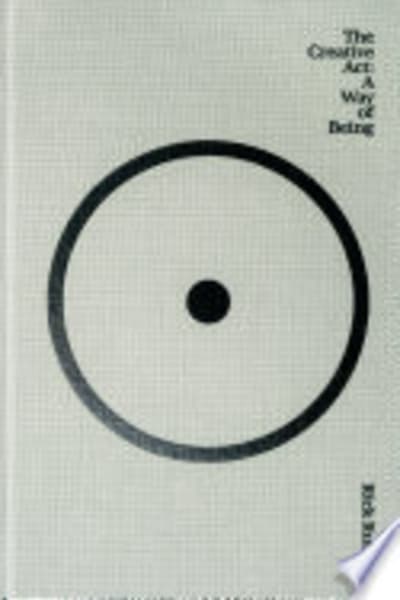
The Creative Act — Book Summary & Review
by Rick Rubin
Last updated:
The Creative Act Summary
The Creative Act opens with Rick Rubin introducing the idea of 'the Source,' a place from which all creativity flows, and it's this concept that underpins much of his philosophy throughout the book. Rubin, known for his eclectic production style, argues that art isn't solely the product of talent but a result of a deep connection with this Source. In chapters like 'The Container,' he explores how creating a structured environment can help artists better channel their creativity. He emphasizes the importance of setting aside self-imposed limitations to access a state of innocence and surprise. However, the book leans heavily on abstract ideas, which might frustrate those looking for concrete, step-by-step guidance on creativity.
Key Takeaways from The Creative Act
-
1
'The Source': A metaphor for the origin of creativity, urging artists to connect with it beyond their ego.
-
2
'The Container': Highlights the necessity of creating a structured space to nurture and protect creative work.
-
3
'Listening': Rubin stresses the importance of deep listening as a way to truly understand and enhance one's art.
-
4
'The Observer': Encourages artists to step outside themselves to gain fresh perspectives on their work.
-
5
'The Beginner's Mind': Advocates for approaching projects with the curiosity and openness of a novice.
Who Should Read This
Someone who feels creatively blocked and needs a fresh perspective on how to re-engage with their art. If you’re seeking to understand the deeper forces behind your creative process, this book will resonate.
Who Shouldn't Read This
If you're looking for a straightforward manual with actionable steps to boost creativity, Rubin's abstract style will likely frustrate you. Those who prefer practical advice over philosophical musings might find this book lacking.
Editor's Verdict
The best part of The Creative Act is Rubin's concept of 'The Source,' which offers a unique perspective on creativity. However, its abstract nature might disappoint those searching for more practical advice. If you're at a creative crossroads and need philosophical inspiration, this book is a timely read.
Ready to read The Creative Act?
Get your copy on Amazon today.
The Creative Act — Frequently Asked Questions
About Rick Rubin
Rick Rubin is a renowned music producer and co-founder of Def Jam Recordings, born on March 10, 1963, in Long Beach, New York. He has shaped the music industry by working with artists like Johnny Cash, Beastie Boys, and Red Hot Chili Peppers. Rubin's credibility in creativity stems from his innovative production techniques and success across diverse genres. Aside from "The Creative Act," he co-authored "Russell Simmons' Do You!: 12 Laws to Access the Power in You to Achieve Happiness and Success."