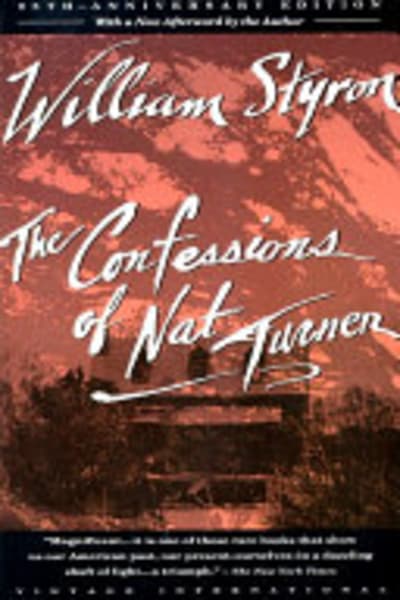
The Confessions of Nat Turner — Book Summary & Review
Last updated:
The Confessions of Nat Turner Summary
William Styron's 'The Confessions of Nat Turner' begins with a vivid recounting of Turner's prophetic visions, grounding the narrative in his inner turmoil. Styron crafts an intense, introspective journey into Turner's psyche by using a first-person narrative that alternates between the events leading to the insurrection and Turner's reflections in his jail cell. The chapter 'Judgment Day' stands out as a particularly poignant exploration of the moral and spiritual justifications Turner grapples with. Styron's portrayal of Turner's revolt is unflinchingly brutal, sparking significant debate over its depiction of race and historical accuracy. However, those expecting a factual retelling of the Southampton Insurrection might find Styron's fictional liberties frustrating. Instead, the book is more concerned with the mythical and existential dimensions of Nat Turner's rebellion, an approach that may not satisfy readers looking for historical precision.
Key Takeaways from The Confessions of Nat Turner
-
1
Prophetic Visions: Central to Turner’s motivations, these visions symbolize his internal conflict and divine justification for revolt.
-
2
Judgment Day: A crucial chapter exploring Turner's moral reasoning and the impending sense of divine retribution he feels.
-
3
The Bible's Influence: Turner’s interpretation of scripture is pivotal, serving as both inspiration and justification for his actions.
-
4
The Role of Confession: Styron uses the confessional format to delve into Turner's psyche, blending fact with fiction.
-
5
The Dichotomy of Freedom: The novel contrasts Turner's quest for liberation with the oppressive reality of slavery.
Who Should Read This
Someone who is intrigued by complex character studies and historical fiction that challenges conventional narratives. If you’re interested in exploring moral ambiguity and the human psyche, this book offers a deep dive.
Who Shouldn't Read This
If you prefer strict historical accuracy without fictional embellishment, this book might not meet your expectations. Anyone looking for a straightforward recount of the Southampton Insurrection should seek more factual accounts.
Editor's Verdict
Styron's strength lies in the depth of character analysis, particularly in the chapter 'Judgment Day'. The book's fictional approach to historical events may not resonate with purists seeking factual accuracy. It’s best suited for readers curious about the deeper psychological and moral questions surrounding historical figures like Nat Turner.
Ready to read The Confessions of Nat Turner?
Get your copy on Amazon today.
The Confessions of Nat Turner — Frequently Asked Questions
About William Styron
William Styron (1925–2006) was an American novelist born in Newport News, Virginia. He earned a degree in English from Duke University, which bolstered his literary foundation. Styron's Southern background provided insight into the racial and historical themes explored in "The Confessions of Nat Turner," a Pulitzer Prize-winning novel. His service as a U.S. Marine in World War II and the Korean War also influenced his writing. Other notable works include "Sophie's Choice" and "Lie Down in Darkness."