The Catcher in the Rye — Book Summary & Review
Last updated:
The Catcher in the Rye Summary
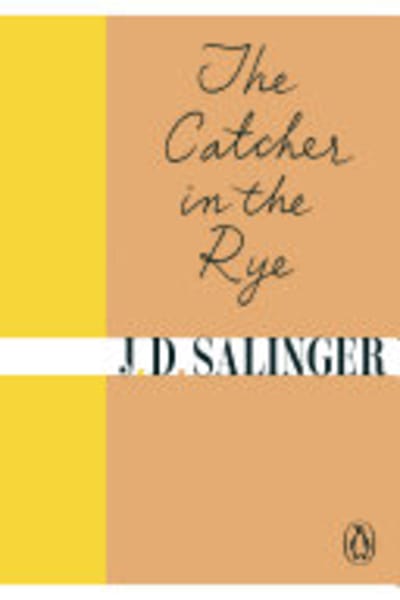
The Catcher in the Rye opens with Holden Caulfield recounting his experiences after being expelled from Pencey Prep, a preparatory school. Salinger immediately immerses readers into Holden's perspective, an emotionally turbulent teenager. One of the more striking parts of the book is Holden's visit to the Museum of Natural History, a place he cherishes for its immutable nature amid the chaos of his life. Salinger does a masterful job of capturing the angst and confusion of adolescence through Holden's cynical lens and his interactions in New York City over three days. However, the book does not offer a resolution or clear growth for Holden, which might frustrate readers hoping for a more conclusive character arc. The novel's stream-of-consciousness style and focus on internal conflict rather than plot progression might leave those seeking a fast-paced narrative unsatisfied.
Key Takeaways from The Catcher in the Rye
-
1
Pencey Prep Expulsion: Sets off Holden's journey into New York City, symbolizing his rebellion against societal norms.
-
2
The Red Hunting Hat: A symbol of Holden's individuality and his struggle to protect his identity amidst external pressures.
-
3
Museum of Natural History: Represents Holden's desire for the world to remain unchanged and predictable, unlike his life.
-
4
The Ducks in Central Park: An ongoing metaphor for Holden's own feelings of displacement and search for stability.
-
5
The Catcher in the Rye: Holden's fantasy of saving children from losing their innocence, reflecting his own fears of growing up.
Who Should Read This
If you feel lost navigating the transition from adolescence to adulthood, Holden Caulfield's struggles might resonate deeply. Someone who appreciates introspective narratives that explore the inner workings of a character's mind will find this book engaging.
Who Shouldn't Read This
If you prefer novels with a clear plot and resolution, this book's introspective focus might disappoint. Those who dislike protagonists with a negative outlook may find Holden's cynicism grating.
Editor's Verdict
Salinger excels at capturing the raw, unfiltered thoughts of adolescence, especially in the chapter detailing Holden's musings on the Museum of Natural History. However, the lack of plot progression can be frustrating for readers who crave action. This book is perfect for anyone feeling adrift in their late teens or early twenties, questioning their place in the world.
Ready to read The Catcher in the Rye?
Get your copy on Amazon today.
The Catcher in the Rye — Frequently Asked Questions
About J.D. Salinger
J.D. Salinger (1919-2010) was an American author renowned for his novel "The Catcher in the Rye," published in 1951. Born in New York City, Salinger attended several colleges before focusing on writing. His experiences in World War II and his reclusive nature added depth to his exploration of adolescent themes. Besides his famous novel, Salinger wrote notable works such as "Nine Stories" (1953) and "Franny and Zooey" (1961), further cementing his literary legacy.