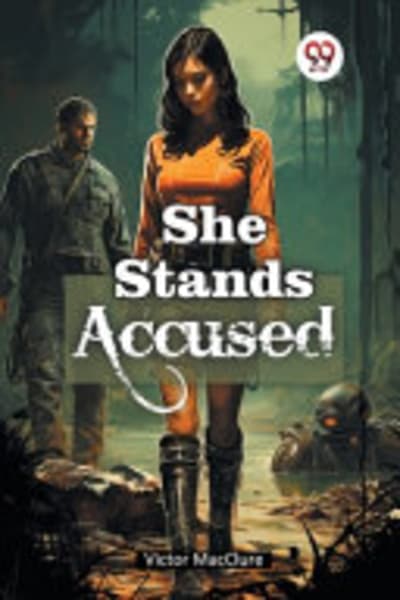
She Stands Accused — Book Summary & Review
Last updated:
Public domain via Project Gutenberg — free and legal.
She Stands Accused Summary
She Stands Accused is organized around Victor MacClure’s case-by-case method: each 19th-century British trial is treated as both a legal record and a social spectacle, with MacClure constantly pointing out how gender shaped what “justice” looked like. The book moves through sensational murder proceedings and lesser but still shocking female criminal cases, and it keeps returning to one framework—how the courtroom becomes a stage where defendants are judged as much for their respectability as for their actions. MacClure’s strongest sections read like a guided walkthrough of procedure: how testimony is framed, how spectatorship fuels rumor, and how sentencing lands with a particular cruelty when the defendant is a woman. One concrete example is the way MacClure repeatedly contrasts the “crime” narrative with the “character” narrative, showing how prosecutors and judges used moral language to make outcomes feel inevitable.
A recurring feature is MacClure’s attention to the rhythm of the trials: the buildup of scandal, the tightening of evidence, then the final verdict delivered in a tone that assumes the audience already knows what the defendant “is.” Even when the facts vary from case to case, MacClure keeps emphasizing the same institutional harshness—an unforgiving system that treats female offenders as warnings to society rather than individuals with context. The book also doesn’t hide its fascination with the publicity machinery around these events, which can feel both informative and uncomfortable.
Honest limitation: She Stands Accused doesn’t attempt modern psychological or feminist re-interpretation of the crimes; it stays largely inside the period’s own courtroom logic and sensational reporting. If you want a rigorous, contemporary analysis of culpability or rehabilitation, MacClure’s approach will frustrate you.
Key Takeaways from She Stands Accused
-
1
Trial Transcript Focus: MacClure structures each chapter like a courtroom replay, emphasizing testimony order and how narratives get framed.
-
2
Character vs Crime Framing: He repeatedly shows prosecutors weighing “respectability” alongside evidence, turning morality into a kind of proof.
-
3
Public Spectacle Logic: Court coverage and audience appetite aren’t side notes here; they drive how facts are presented and believed.
-
4
Sentencing as Social Warning: MacClure treats punishment as messaging, especially for women, where outcomes feel designed to deter others.
-
5
19th-Century Legal Procedure: The book spotlights process details—examination, argument style, verdict delivery—to explain why the system felt final.
Who Should Read This
Someone who loves historical true-crime but wants the emphasis on courtroom mechanics—testimony, sentencing, and public reaction—will probably enjoy this. If you’re the kind of reader who can’t resist 19th-century scandal and wants to see how gendered assumptions shaped outcomes, this is for you.
Who Shouldn't Read This
If you’re looking for a modern, theory-driven critique of female criminality, MacClure’s period-bound approach will feel thin and outdated. If you hate sensational reporting vibes, the book’s fascination with scandal and spectacle may sour the experience quickly.
Editor's Verdict
She Stands Accused works best when MacClure leans into his character-versus-crime framing, using courtroom procedure to show how verdicts were shaped by social expectations. The real limitation is that MacClure offers little beyond the historical record—no deep modern analysis of the causes of crime or the identities of the women beyond the trial lens. This will hit hardest for anyone who reads legal history like a puzzle and wants to understand how 19th-century Britain turned women’s accusations into public punishment.
Ready to read She Stands Accused?
Get your copy on Amazon today.
She Stands Accused — Frequently Asked Questions
About Victor MacClure
I don’t have reliable information about Victor MacClure or the book She Stands Accused in my current knowledge base, so I can’t write a factual bio without risking inaccuracies. If you share a link, publisher page, or a short fact list (education, career, relevant experience, and any other titles), I can produce a 60–80 word factual bio based strictly on that material.