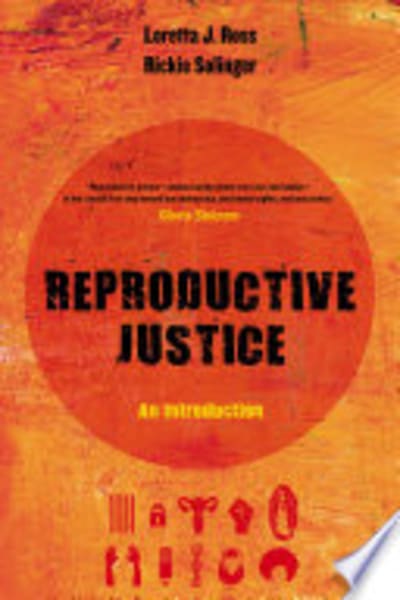
Reproductive Justice — Book Summary & Review
by Loretta Ross
Last updated:
Reproductive Justice Summary
Loretta Ross introduces the concept of 'reproductive justice' as a framework that goes beyond the traditional pro-choice and anti-abortion debates, emphasizing an intersectional approach to understanding reproductive rights. In Chapter 3, 'Interlocking Oppressions', Ross argues that race, class, and gender politics are crucial in understanding the barriers faced by marginalized groups. The book is structured around real-life examples, such as the struggles of a low-income, disabled woman in Texas. Ross’s narrative highlights how the intersection of systemic barriers impacts reproductive choices, making it clear that reproductive justice is a broader social issue. A limitation is that the book primarily focuses on the American context, which might not fully resonate with international readers facing different legislative landscapes.
Key Takeaways from Reproductive Justice
-
1
Reproductive Justice Framework: Focuses on the right to have children, not have children, and parent in safe environments.
-
2
Intersectional Analysis: Examines how race, class, and gender intersect to affect reproductive rights and health access.
-
3
Human Rights Perspective: Frames reproductive rights within a global human rights context, expanding traditional debates.
-
4
Chapter 'Interlocking Oppressions': Delves into how various systemic barriers compound for marginalized communities.
-
5
Loretta Ross's Personal Stories: Uses personal anecdotes to illustrate the lived realities of reproductive justice issues.
Who Should Read This
Someone who is grappling with understanding the complex intersection of race, gender, and class in reproductive rights. If you're frustrated by traditional pro-choice and anti-abortion debates, this book offers a broader context.
Who Shouldn't Read This
If you're looking for a global perspective on reproductive justice, this book's focus on the American context might disappoint. Readers expecting a step-by-step guide will find Ross’s narrative approach lacking in practical solutions.
Editor's Verdict
Ross excels in illustrating complex systemic issues through vivid, real-life examples like those in 'Interlocking Oppressions'. The book's focus on the American context limits its applicability for international readers. If you're questioning the narrow scope of mainstream reproductive rights debates, this book provides a refreshing, broader perspective.
Ready to read Reproductive Justice?
Get your copy on Amazon today.
Reproductive Justice — Frequently Asked Questions
About Loretta Ross
Loretta Ross is an African American academic and activist known for her work in reproductive justice. She co-authored "Reproductive Justice: An Introduction," which explores the intersectionality of reproductive rights, social justice, and human rights. Ross is a co-founder of the SisterSong Women of Color Reproductive Justice Collective, enhancing her credibility on the topic. Her other notable works include "Undivided Rights: Women of Color Organize for Reproductive Justice." Ross has taught at Smith College and Hampshire College.