Gāyatrī, the Highest Meditation — Book Summary & Review
Last updated:
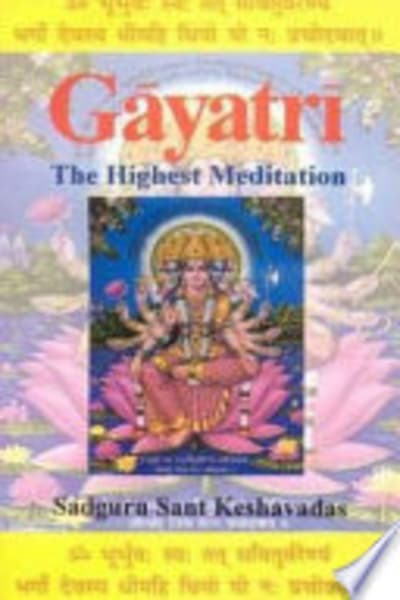
Gāyatrī, the Highest Meditation Summary
In Gāyatrī, the Highest Meditation, Keshavadas (Satguru Sant) organizes the practice around concrete instructions—water rites, sitting posture, time and atmosphere, breath control, and pronunciation—so the Gayatri mantra is treated like a method you can actually perform, not a vague ideal. The book’s core claim is that the Gayatri helps the “higher man” take birth within us, and Keshavadas keeps returning to the idea that meaning, repetition, and technique have to line up. One useful anchor is the section on pronunciation of sacred sounds, where Keshavadas argues that correct articulation affects the effects of recitation; he doesn’t leave it at “say it with feeling,” he gives a practical standard for how the sound should land. Another place where the framework shows up is the chapter material on breath control: he links breath pacing to mental stability, so the mantra isn’t floating on top of your daydreaming, it’s riding a regulated rhythm. Keshavadas also gets specific about setting—time of day, atmosphere, and even posture—because, in his view, meditation quality depends on reducing the body’s “noise” before you ask the mind to listen.
The best part is how Keshavadas repeatedly ties technique to outcomes he names plainly: intellect, creativity, and success in the world, not only “spiritual” benefits. That said, this book doesn’t function as a broad survey of Vedic religion; it’s narrow and devotional, and it assumes you’re willing to take the Gayatri seriously on its own terms. If you want a secular mindfulness manual or a modern research-style explanation of chanting, Keshavadas will frustrate you. At ~144 pages, the guidance is dense and procedural, and you may need follow-up practice or a teacher to translate the instructions into real sessions.
Key Takeaways from Gāyatrī, the Highest Meditation
-
1
Gayatri Mantra practice: Keshavadas frames repetition as a structured method where meaning, sound, and technique reinforce each other.
-
2
Water rites: he treats purification as preparation that changes the quality of meditation before the mantra even begins.
-
3
Sitting posture: posture is not decoration; Keshavadas uses it to reduce bodily distraction so the mind can stay with the mantra.
-
4
Breath control: breath pacing is a stabilizer, helping the recitation stay steady instead of slipping into mental drift.
-
5
Pronunciation of sacred sounds: Keshavadas insists articulation accuracy shapes the mantra’s effect, not just sincerity.
Who Should Read This
Someone who has tried meditation apps or generic chanting and keeps getting distracted will likely benefit from Keshavadas’s tight, procedural instructions. If you’re currently serious about the Gayatri mantra but unsure about pronunciation, posture, or timing, this book gives you a workable practice plan.
Who Shouldn't Read This
If you want a modern, secular explanation of mantra benefits with citations and psychological theory, Keshavadas’s devotional framing will feel out of date. If you dislike step-by-step spiritual technique or you want a wide-ranging Vedas overview, this narrow focus will feel repetitive and limiting.
Editor's Verdict
Keshavadas’s strongest move is turning Gayatri into an actionable routine through specific chapters like pronunciation of sacred sounds and the breath-control guidance that supports recitation. The limitation is that the book stays within a devotional, prescriptive lane and offers little in the way of historical context or secular justification. This will hit hardest for someone who’s already committed to chanting, but keeps stumbling over “how” to do it—especially anyone practicing inconsistently and wanting a standard to follow.
Ready to read Gāyatrī, the Highest Meditation?
Get your copy on Amazon today.
Gāyatrī, the Highest Meditation — Frequently Asked Questions
About Keshavadas (Satguru Sant)
Keshavadas (Satguru Sant) is an author and spiritual teacher associated with teachings on mantra and meditation. He is credited with writing Gāyatrī, the Highest Meditation, which presents the Gayatri mantra as a central practice for meditation and inner development. His credibility on the topic is based on his direct authorship and instructional focus on Gayatri meditation. Other notable works by Keshavadas are not clearly documented in widely accessible sources.