Poems on various subjects, religious and moral — Book Summary & Review
Last updated:
Public domain via Project Gutenberg — free and legal.
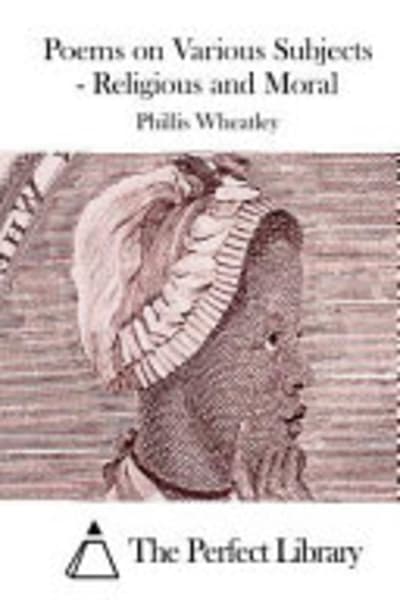
Poems on various subjects, religious and moral Summary
Phillis Wheatley’s “Poems on various subjects, religious and moral” arranges its 39 pieces so the reader can feel her recurring framework: virtue learned through Scripture, then tested in daily life, then offered as moral instruction to others. The book opens by setting a tone of devotional discipline, but Wheatley keeps shifting the angle—sometimes addressing God directly, sometimes turning outward to teach how a “religious and moral” life should look when you’re not in church. In poem after poem, she leans on biblical examples as templates for behavior, treating faith as something you practice with your eyes open to suffering, injustice, and human limitation. Even when the language is formal and carefully elevated, the moral pressure is real: Wheatley wants the reader to measure conduct against divine order, not against fashionable opinion.
One of the most revealing moves is how she uses public-facing subjects—praise, reflection, and civic-adjacent themes—to insist that piety has consequences beyond the private soul. Her poems repeatedly return to the idea that moral worth is inseparable from gratitude and obedience, and Wheatley’s voice keeps tightening around that point: religion isn’t decoration; it’s a standard. A concrete example is her sustained use of religious imagery to frame character—light, providence, judgment—so that ethical choices feel weighty, not decorative.
Honest limitation: this collection isn’t trying to give you a modern, psychological account of trauma or a fully developed narrative arc. If you want free-verse intimacy, contemporary pacing, or lots of variety in poetic technique, Wheatley will frustrate you; the style is consistent, the moral lens is narrow, and the “various subjects” still funnel back to faith and duty.
Key Takeaways from Poems on various subjects, religious and moral
-
1
Religious and moral framework: Wheatley treats faith as a behavioral standard, not a mood, so every poem pressures conduct.
-
2
Scripture as template: biblical figures and scenes function like models for how to respond to suffering and authority.
-
3
Devotional address: her direct talk to God shapes the reader’s role as witness and moral student, not spectator.
-
4
Public praise with consequences: even outward-facing poems keep pointing back to obedience, gratitude, and judgment.
-
5
Formal elevated diction: the collection’s style stays consistent, which strengthens tone but limits modern stylistic variety.
Who Should Read This
If you’re stuck in a habit of reading poetry only for aesthetics and you want faith and ethics braided into the lines, Wheatley will satisfy you. Someone who needs moral language that feels historically grounded—especially if you’re building a deeper sense of American literary ancestry—should start here.
Who Shouldn't Read This
If you’re hunting for experimental form, conversational voice, or modern emotional realism, Wheatley’s highly formal, devotional style will feel restrictive. If you want a tight narrative or thematic range that keeps changing lanes, this collection will feel repetitive because Wheatley keeps returning to the same moral standard.
Editor's Verdict
The single best thing this book does is use its religious-and-moral framework to make virtue feel practical, especially through Wheatley’s repeated biblical modeling of character. The real limitation is that the collection’s technique and moral lens stay consistent, so readers expecting broad stylistic experimentation will get little variety. This hits hardest for anyone studying early African American literature and needs to see how Wheatley’s faith-driven ethics function as literary craft rather than background decoration.
Ready to read Poems on various subjects, religious and moral?
Get your copy on Amazon today.
Poems on various subjects, religious and moral — Frequently Asked Questions
About Phillis Wheatley
Phillis Wheatley (c. 1753–1784) was an African American poet born in Senegambia and brought to Boston as an enslaved child. She learned English and studied classical and religious texts, becoming credible to write on religious and moral themes through her education and publication history. Her book Poems on Various Subjects, Religious and Moral (1773) presented her work to a broad audience. Other notable works include her poem “On Being Brought from Africa to America” and her elegy “To the Right Honorable William, Earl of Dartmouth.”