Peak — Book Summary & Review
Last updated:
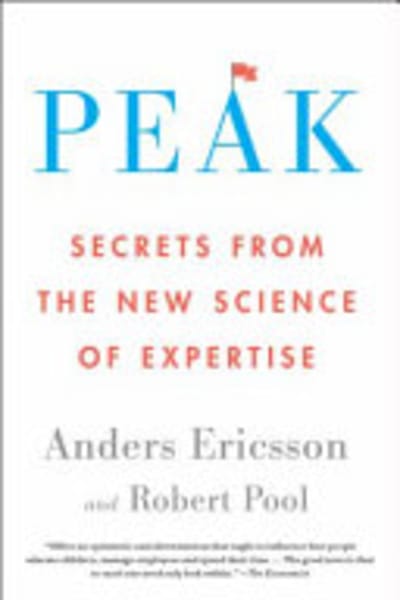
Peak Summary
Ericsson's book introduces the concept of 'deliberate practice,' a structured approach to skill mastery that he argues is more effective than innate talent. In the chapter titled 'Harnessing Adaptability,' he illustrates how anyone can rewire their brain's capabilities through consistent, focused practice. Ericsson supports his arguments with a plethora of scientific studies and real-world examples, like the story of Benjamin Franklin improving his writing by imitating great works. However, the book leans heavily on research data and case studies, which might overwhelm readers looking for a more narrative-driven exploration. Ericsson's insistence on the power of deliberate practice is compelling, though it might frustrate those who believe in inherent talent as a defining factor of expertise.
Key Takeaways from Peak
-
1
Deliberate Practice: Ericsson emphasizes structured, purposeful practice to develop skills, requiring immediate feedback and clear goals.
-
2
Mental Representations: He explains how experts create detailed mental models in their fields, allowing for more efficient problem-solving.
-
3
The Goldilocks Zone: Ericsson suggests practicing tasks that are neither too easy nor too difficult to optimize learning.
-
4
The Role of Teachers: Effective instruction is crucial, with teachers guiding learners through tailored practice strategies.
-
5
The 10,000-Hour Rule Myth: Ericsson debunks the idea that sheer quantity of practice leads to mastery, emphasizing quality instead.
Who Should Read This
If you're struggling to excel in a specific skill despite countless hours of practice, this book offers a fresh perspective. Someone who wants a scientific approach to improving their performance will find Ericsson's strategies practical and enlightening.
Who Shouldn't Read This
If you're looking for a light read with engaging narratives, this book's academic tone may disappoint. Those who believe in talent over practice might find its arguments unpersuasive and repetitive.
Editor's Verdict
The book excels in its detailed breakdown of 'The Goldilocks Zone,' providing actionable advice for skill improvement. However, its academic density can be off-putting for readers seeking a more casual tone. Ideal for anyone on the cusp of giving up on their skill development journey, offering a new way to reignite their efforts.
Ready to read Peak?
Get your copy on Amazon today.
Peak — Frequently Asked Questions
About Anders Ericsson
Anders Ericsson was a Swedish psychologist and professor at Florida State University, renowned for his research on expertise and performance. He is best known for his work on deliberate practice, which he detailed in his book "Peak: Secrets from the New Science of Expertise." Ericsson's credibility stems from decades of empirical research on skill acquisition and expert performance. He also co-authored "The Cambridge Handbook of Expertise and Expert Performance," further establishing his authority in the field.