Man and His Symbols — Book Summary & Review
by Carl Jung
Last updated:
Man and His Symbols Summary
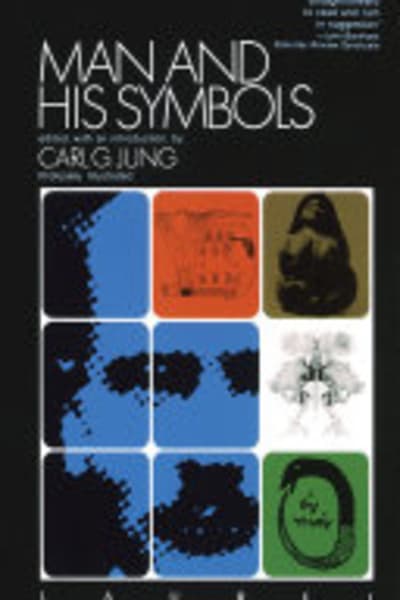
In 'Man and His Symbols', Jung introduces the concept of the 'collective unconscious', a framework that underpins much of the book's exploration of symbolism. This work is notable for its structure, where Jung expands on his theories alongside contributions from his closest disciples, making it both an introduction and a collaborative effort. One specific section, 'Approaching the Unconscious', provides a fascinating look at how symbols shape our understanding of dreams and the psyche. Jung's emphasis on imagination as a crucial element of the human experience is a central theme that resonates throughout the text. However, those looking for a straightforward guide to symbolism might find the complex language and theoretical discussions challenging and at times inaccessible, as the book demands a degree of patience and willingness to engage with dense philosophical ideas.
Key Takeaways from Man and His Symbols
-
1
Collective Unconscious: Jung's theory that all humans share a set of memories and ideas, inherited and universal.
-
2
Archetypes: Universal symbols found in myths and dreams, representing fundamental human motifs embedded deep in our psyche.
-
3
Shadow: A Jungian concept representing the unconscious parts of our personality that we choose to ignore or hide.
-
4
Anima and Animus: Jung's terms for the feminine side of a man and the masculine side of a woman, crucial for understanding gender dynamics in the psyche.
-
5
Mandala: A symbol of wholeness and unity, often used in Jungian therapy to represent the self and the process of individuation.
Who Should Read This
If you're grappling with understanding your dreams or seeking deeper meaning in your subconscious, this book offers a foundational understanding. Someone who wants to explore Jungian psychology without diving into overly technical texts will find this work approachable.
Who Shouldn't Read This
If you're looking for a quick read or a simple explanation of symbols, this book's complexity and depth might feel overwhelming. Someone who prefers straightforward language and clear-cut answers might find Jung's prose and theoretical discussions frustrating.
Editor's Verdict
Jung's exploration of archetypes, especially in the chapter 'The Process of Individuation', is enlightening. However, the book's dense and sometimes labyrinthine prose can be off-putting for those new to psychological theory. This book is best approached when you're ready to ponder deeply about your subconscious motivations and how they manifest in everyday life.
Ready to read Man and His Symbols?
Get your copy on Amazon today.
Man and His Symbols — Frequently Asked Questions
About Carl Jung
Carl Jung (1875-1961) was a Swiss psychiatrist and psychoanalyst who founded analytical psychology. He is credible on the topic of symbols due to his extensive research on the collective unconscious and archetypes. Jung's work in exploring the symbolic language of the human psyche is foundational in psychology. In addition to "Man and His Symbols," he is known for "Psychological Types" and "The Archetypes and the Collective Unconscious," which further establish his expertise in the field.