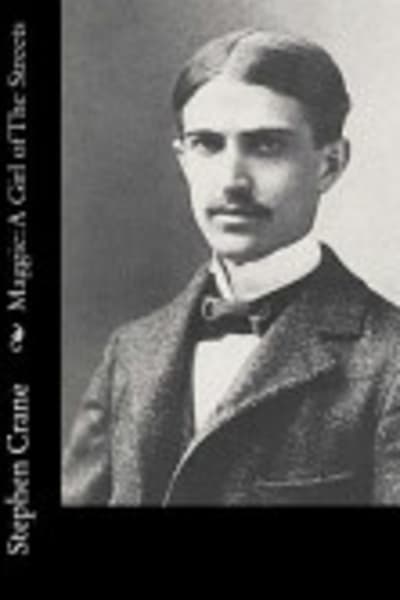
Maggie: A Girl of the Streets — Book Summary & Review
Last updated:
Public domain via Project Gutenberg — free and legal.
Maggie: A Girl of the Streets Summary
Maggie: A Girl of the Streets is structured around a blunt, escalating chain of cause-and-effect—Maggie’s choices are never “free,” because Stephen Crane keeps stacking social pressure until the ending feels inevitable. You can feel Crane’s method even in the early street scenes: the novel doesn’t linger in moral speeches; it watches, records, and then tightens the screws. Maggie’s life in the slums, her family’s money problems, and the slow collapse of her options are treated like weather—something you endure, not something you debate. The book’s core power comes from Crane’s refusal to let sentimentality do the heavy lifting; he shows how poverty narrows the future so thoroughly that “agency” becomes a cruel word. One concrete example: after Maggie is drawn into the orbit of a predatory, “respectable” world that offers rescue in exchange for submission, Crane makes the social backlash land like paperwork—shame, rejection, and isolation arrive with the same inevitability as hunger. Another example is the way Crane frames the city’s logic through repeated humiliations, culminating in Maggie’s suicide attempt and the aftermath that follows; the tragedy isn’t staged for catharsis, it’s laid out for inspection. The unexpurgated 1893 text is rougher than many later classroom versions, and this edition’s apparatus—introductions, headnotes, and contemporary documents—helps you see late-nineteenth-century attitudes that shaped how audiences received prostitution narratives. Still, this book is not a guide to reform, and it doesn’t offer a satisfying “fix” for the systems it criticizes; if you want comfort, activism instruction, or a character who escapes cleanly, Crane will frustrate you.
Key Takeaways from Maggie: A Girl of the Streets
-
1
Naturalistic pressure: Crane treats poverty as an engine that converts small decisions into catastrophic outcomes.
-
2
Street-level observation: Maggie is written like a record, with minimal authorial moralizing to keep events cold.
-
3
Maggie’s narrowing options: Each social setback reduces future possibilities until choice becomes mostly illusion.
-
4
Unexpurgated 1893 text: The original harsher framing changes the emotional temperature versus cleaned-up editions.
-
5
Scholarly document frame: This edition’s headnotes and contemporary materials show how the era read prostitution stories.
Who Should Read This
Someone who keeps thinking about how “personal responsibility” gets distorted by economic reality should read Maggie. If you’ve ever watched a vulnerable person get squeezed by shame and limited options, Crane’s account will land hard.
Who Shouldn't Read This
If you want a plot that rewards hope, or characters who get a fair shot at redemption, you’ll hate how Crane tightens the trap. If you’re sensitive to grim depictions of prostitution, suicide, and urban cruelty, this unexpurgated text won’t be the right fit.
Editor's Verdict
The best thing this book does is keep Stephen Crane’s naturalistic logic tight: Maggie’s slide is shown through escalating social pressure rather than speeches, especially around her entanglement and isolation. The real limitation is that Crane offers no practical route out—after the tragedy, you get analysis of conditions, not a way to change them. This hits hardest for anyone who’s just been burned by overly optimistic self-improvement stories and wants the world described without comforting lies.
Ready to read Maggie: A Girl of the Streets?
Get your copy on Amazon today.
Maggie: A Girl of the Streets — Frequently Asked Questions
About Stephen Crane
Stephen Crane (1871–1900) was an American writer and journalist. He grew up in New York City and began publishing stories and poems in the 1890s, then worked as a reporter covering major events, which informed his street-level realism. His credibility on urban poverty comes from his firsthand reporting in New York and his commitment to depicting life among the poor without romanticization. He wrote Maggie: A Girl of the Streets (1893) and also The Red Badge of Courage (1895).