Jerusalem Delivered — Book Summary & Review
Last updated:
Public domain via Project Gutenberg — free and legal.
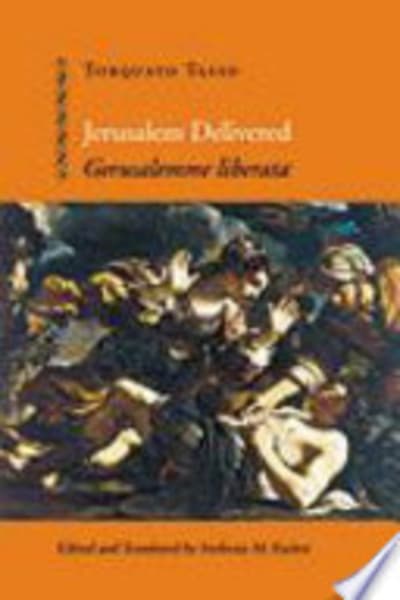
Jerusalem Delivered Summary
Jerusalem Delivered is structured around a long, siege-and-saga arc in which Tasso keeps returning to the same emotional mechanism: faith and desire collide inside a war story, and the poem’s momentum comes from how often characters choose (or refuse) obedience. Tasso’s framework is less “hero wins” than “hero is tested,” and the tests stack—oaths, temptations, rival loyalties—until the plot feels like it’s breathing. In the early cantos, the poem’s clarity is almost architectural: you can feel Tasso engineering suspense through repeated moral reversals, where a vow sounds final and then immediately becomes negotiable. Later, Tasso leans harder into the epic machinery: divine intervention, prophecy, and the brutal arithmetic of siege life, where strategy and prayer share the same desk. One of the clearest concrete examples is the way Jerusalem Delivered treats the city as a moral object, not merely a target—characters speak about it in terms that echo their inner states, so the fall or survival of Jerusalem becomes a verdict on character. Another concrete example is the sustained attention to Rinaldo’s internal conflict, where duty, love, and rage keep re-sorting the same choices. That’s why Jerusalem Delivered can feel oddly personal: Tasso keeps turning the epic dial back toward the self.
Honest limitation: this is not a modern, streamlined novel. Jerusalem Delivered is poetry-first, with archaic diction and dense, sometimes digressive epic conventions; if you want a tight, scene-by-scene causality like contemporary fiction, Tasso will test your patience more than once.
Key Takeaways from Jerusalem Delivered
-
1
Goffredo’s courtly leadership: Tasso frames authority as moral performance, where speeches and vows shape who can endure war.
-
2
Rinaldo’s divided duty: Tasso uses one knight’s temptations to show how desire can corrode vows without erasing courage.
-
3
Divine intervention: Heaven in Jerusalem Delivered acts like plot logic, not decoration, steering outcomes through prophecy and omen.
-
4
Jerusalem as moral object: The city functions as a symbolic verdict, so attacks and prayers mirror internal conflicts.
-
5
Epic convention of moral reversal: Tasso repeatedly flips a character’s “final” decision, generating suspense through ethical instability.
Who Should Read This
If you’re stuck in a rut of war fiction that treats battles like mechanics instead of moral pressure, someone who wants meaning inside the violence will get traction here. If you’ve been craving an older, ambitious narrative voice—one where faith, temptation, and duty are argued through characters in real time—Tasso can satisfy that itch.
Who Shouldn't Read This
If you can’t stand archaic poetic diction or you need fast, modern pacing, Tasso’s style will feel heavy and occasionally self-indulgent. If you want a character-driven novel with psychological realism as the main engine, Jerusalem Delivered will frustrate you with epic convention and formal grandeur.
Editor's Verdict
The single best thing Jerusalem Delivered does is make siege warfare feel like an ethical weather system, especially through how Tasso stages repeated vow-and-reversal cycles around Jerusalem’s symbolic weight. The real limitation is that it’s poetry with epic sprawl, so readers who want tight modern storytelling will keep hitting stretches that feel digressive. This hits hardest for anyone with a serious interest in how faith and desire collide, particularly if you’re reading before drafting your own long-form work and want to study structure under pressure.
Ready to read Jerusalem Delivered?
Get your copy on Amazon today.
Jerusalem Delivered — Frequently Asked Questions
About Torquato Tasso
Torquato Tasso (1544–1595) was an Italian poet from Sorrento, educated in courts and religious institutions. He is credible to write Jerusalem Delivered because he was a major Renaissance literary figure who drew on classical epic models and contemporary accounts of the Crusades while composing his work during extensive study and patronage in Italy. His other notable works include Aminta (1573) and Gerusalemme Liberata’s related revision, Gerusalemme Conquistata (1593).