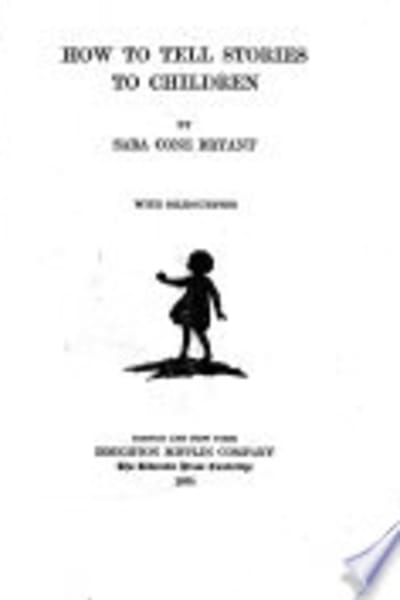
How to Tell Stories to Children, and Some Stories to Tell — Book Summary & Review
Last updated:
Public domain via Project Gutenberg — free and legal.
How to Tell Stories to Children, and Some Stories to Tell Summary
In the book’s opening, Sara Cone Bryant frames her purpose as reproducing the “form” of how she actually tells stories, even if it changes each time, and that practical stance governs everything that follows. The structure is part instruction, part grab-bag of stories and story-plots, arranged so a caregiver or teacher can read a section, practice the rhythm, and then tell something the same day. Bryant’s recurring argument is that children respond to a storyteller’s craft choices—clear pacing, vivid but economical detail, and an emotional arc they can track—more than to polished literary flourish. One concrete example is her guidance around short, repeatable patterns: she encourages storytellers to use familiar beats that children anticipate, which makes the next telling feel like progress rather than repetition. She also leans hard on moral and religious context, offering stories that fit Christian education without sounding like a sermon transcript.
A specific section title that shows her priorities is “The Story-Teller’s Craft,” where she focuses on tone and delivery as much as on content; the point is that the telling is an event, not a reading assignment. She repeatedly signals that “reproduction” matters: the text is a scaffold for oral performance, not a replacement for it. If you only want the stories themselves, you’ll still benefit from her notes on how to set up expectations and land the ending cleanly. If you’re teaching in a group, her emphasis on audience feedback—watching faces, adjusting speed, and choosing what to emphasize—reads like common sense, but she ties it to specific story mechanics.
The honest limitation: this isn’t a modern storytelling theory book, and it won’t satisfy readers who want secular narratives or research-backed child psychology. It’s also aimed at adults already willing to tell stories aloud; it doesn’t help much if you’re trying to design a screen-first or lesson-plan-only approach.
Key Takeaways from How to Tell Stories to Children, and Some Stories to Tell
-
1
Oral “form” Bryant insists you reproduce the telling’s shape, not a fixed literary script, so each performance can adjust naturally.
-
2
Repeatable story patterns Bryant uses recurring beats so children anticipate what comes next, which makes retelling feel rewarding instead of redundant.
-
3
Tone and delivery Bryant treats voice, pacing, and emphasis as craft tools, not decoration, because children track meaning through sound.
-
4
Christian education framing Bryant’s story choices assume a Christian classroom or home, so the morals are built into the plots.
-
5
Audience feedback Bryant urges watching children during the telling, then shifting emphasis or speed to match attention in real time.
Who Should Read This
If you’re a parent, Sunday-school teacher, or camp leader who needs ways to get kids listening without turning every session into worksheets, this will help. Someone who keeps improvising story time but wants a clearer method for pacing, tone, and repeatable structure should read Bryant.
Who Shouldn't Read This
If you want a secular storytelling guide with modern research on child development, Bryant will feel stuck in a 1910 moral universe. If you need a purely literary analysis or a modern writing workshop for adult fiction, the oral-performance focus will frustrate you.
Editor's Verdict
The best thing Bryant does is treat storytelling as a craft you can practice immediately, especially in “The Story-Teller’s Craft,” where tone, pacing, and audience response are tied to how children actually follow stories. The real limitation is that the book is explicitly geared toward Christian education and won’t quietly translate to a secular setting. This hits hardest for anyone running story time weekly and realizing they’re improvising without a system, because Bryant gives you a repeatable way to tell and retell.
Ready to read How to Tell Stories to Children, and Some Stories to Tell?
Get your copy on Amazon today.
How to Tell Stories to Children, and Some Stories to Tell — Frequently Asked Questions
About Sara Cone Bryant
Sara Cone Bryant (1856–1937) was an American educator and author known for writing about storytelling for children. She worked in education and promoted child-centered methods, which made her credible on how stories can be selected and told for young listeners. Her books include How to Tell Stories to Children (1902) and Some Stories to Tell (1903).