How Late It Was, How Late — Book Summary & Review
by James Kelman
Last updated:
How Late It Was, How Late Summary
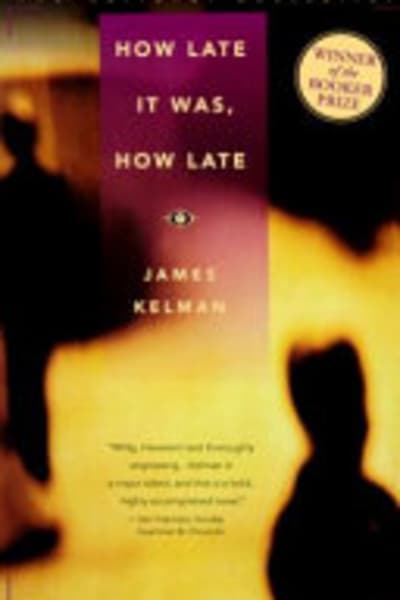
James Kelman’s 'How Late It Was, How Late' begins with Sammy, a petty crook, waking up blind after a drunken altercation with the police. Kelman immerses readers in Sammy’s internal monologue, weaving a tapestry of Scottish dialect and existential dread. The book is structured around Sammy's reflections as he navigates his new reality, notably in the chapter 'The Bastard', where his frustrations with bureaucratic systems become palpable. Kelman crafts a raw, unfiltered view of a man grappling with loss and systemic oppression, while humor unexpectedly punctuates the narrative, offering moments of reprieve. However, if you're looking for a plot-driven story with a neat resolution, this book might leave you wanting. Sammy's journey is more about internal discovery than external action, which may frustrate those craving conventional storytelling arcs.
Key Takeaways from How Late It Was, How Late
-
1
The Inner Voice: Kelman uses stream-of-consciousness to mirror Sammy's chaotic thought processes, immersing readers in his mental state.
-
2
The Language of the Streets: The novel’s use of Scottish dialect grounds the reader in Sammy's cultural context, though it can be challenging.
-
3
Blindness as Metaphor: Sammy's physical blindness parallels his societal invisibility, highlighting themes of marginalization and neglect.
-
4
The Role of Bureaucracy: Kelman critiques the dehumanizing effects of bureaucracy, especially in scenes where Sammy seeks assistance.
-
5
Humor Amidst Despair: Despite the bleak circumstances, Sammy's humor provides a coping mechanism, revealing his resilience and humanity.
Who Should Read This
Someone who feels marginalized and wants to see their struggles reflected in literature will find this book resonates deeply. If you appreciate stories that prioritize character exploration over plot, this will be a rewarding read.
Who Shouldn't Read This
If you're expecting a fast-paced narrative with a clear beginning, middle, and end, this isn't the book for you. Kelman's heavy use of dialect and focus on internal monologue can be off-putting if you're not prepared for it.
Editor's Verdict
Kelman's use of Scottish dialect in 'The Language of the Streets' chapter brilliantly immerses the reader in Sammy's world. The lack of a traditional plot may leave some readers unsatisfied. Anyone grappling with feelings of invisibility or systemic oppression will find deep resonance in Sammy's experiences.
Ready to read How Late It Was, How Late?
Get your copy on Amazon today.
How Late It Was, How Late — Frequently Asked Questions
About James Kelman
James Kelman is a Scottish author born in Glasgow in 1946. Known for his distinctive use of Glaswegian dialect, Kelman gained prominence with his novel "How Late It Was, How Late," which won the Booker Prize in 1994. His credibility stems from his authentic portrayal of working-class life in Scotland. Other notable works include "A Disaffection," which was shortlisted for the Booker Prize in 1989, and "The Busconductor Hines," further establishing his literary reputation.