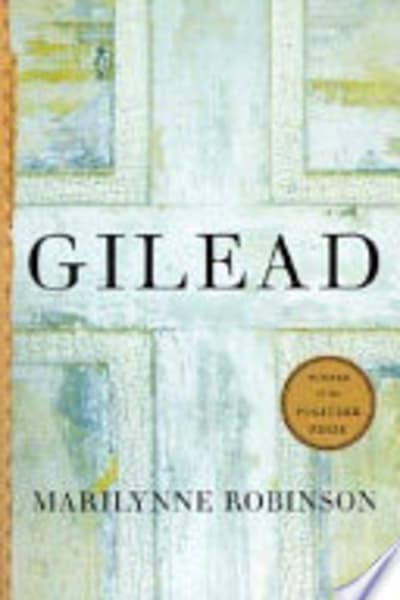
Gilead — Book Summary & Review
Last updated:
Gilead Summary
In "Gilead," Reverend John Ames crafts a letter to his young son, weaving together a tapestry of family history and personal reflection. Robinson's narrative is a blend of spiritual depth and historical context, capturing the tension between Ames's pacifist father and his militant grandfather. The section where Ames discusses his grandfather's vision of Christ in chains is particularly poignant, illustrating the moral complexities of abolitionist zeal. Robinson's prose shines in its ability to imbue mundane moments with profound significance, yet the book’s slow pace and introspective nature might not resonate with those seeking a more plot-driven experience. While "Gilead" offers rich meditations on faith and legacy, it may frustrate readers who prefer action over introspection.
Key Takeaways from Gilead
-
1
Reverend Ames’s Letter: Ames writes to his son, sharing personal stories and family history as a legacy of wisdom and faith.
-
2
Vision of Christ: Ames’s grandfather's vision symbolizes the moral complexities of fighting for justice and the personal cost it entails.
-
3
Pacifism vs. Militancy: The conflicting ideologies between Ames’s father and grandfather reflect broader societal tensions and generational conflicts.
-
4
Sacred Bonds: Ames explores the strained yet tender relationships between fathers and sons, emphasizing emotional inheritance over material.
-
5
God-Haunted Existence: Robinson illustrates a life imbued with spiritual reflection, capturing the divine in everyday experiences and struggles.
Who Should Read This
Someone who is grappling with questions of faith and legacy, searching for a contemplative narrative that tackles familial and spiritual themes. If you find yourself pondering the weight of generational conflict and its impact on personal identity, this book offers a reflective journey.
Who Shouldn't Read This
If you prefer fast-paced narratives with clear, linear plots, "Gilead" might not meet your expectations. The book’s introspective style and lack of action can be disappointing for those seeking traditional storytelling.
Editor's Verdict
The book's exploration of familial legacy, especially the chapter detailing Ames's grandfather's abolitionist fervor, is superb. However, its languid pacing can be a hurdle for readers craving dynamic storytelling. Anyone standing at a crossroad of faith and family will find "Gilead" particularly resonant in its quiet, contemplative way.
Ready to read Gilead?
Get your copy on Amazon today.
Gilead — Frequently Asked Questions
About Marilynne Robinson
Marilynne Robinson is an acclaimed American author born on November 26, 1943, in Sandpoint, Idaho. She is renowned for her novel "Gilead," which won the Pulitzer Prize for Fiction in 2005. Robinson's credibility stems from her deep exploration of theological and philosophical themes, often reflecting her Calvinist beliefs. She holds a Ph.D. in English from the University of Washington. Other notable works include "Housekeeping" (1980), which received the PEN/Hemingway Award, and "Home" (2008), a companion to "Gilead."