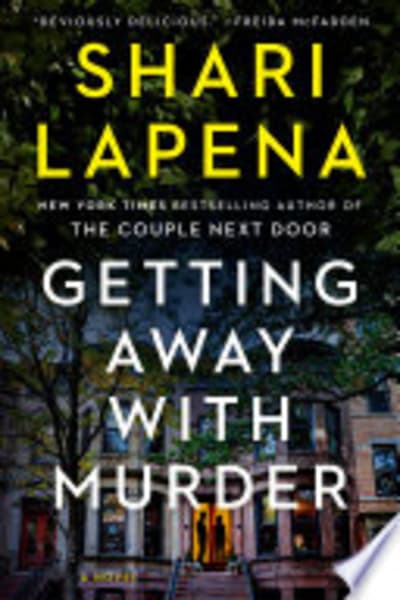
Getting Away With Murder — Book Summary & Review
by Shari Lapena
Last updated:
Getting Away With Murder Summary
Shari Lapena structures Getting Away With Murder around a cozy “trust the couple” premise—Jill and Ted’s brownstone life is treated like an airtight system, until the system starts leaking. The setup is pure domestic thriller fantasy: Ted’s inheritance collapses after a bad investment, and Jill and Ted decide the most “obvious” fix is to kill a wealthy relative who can’t live forever anyway, then inherit millions. Lapena’s pressure comes from how carefully the plan is framed as controlled: the house, the schedules, the conversations that sound casual but are really rehearsed. The couple’s internal rules—“as long as you trust each other,” “as long as neither makes a mistake,” “as long as there are no surprises”—become the book’s ticking clock. One specific thread, the way Jill tries to manage appearances while staying one step ahead of suspicion, keeps escalating even when the reader thinks they’ve spotted the most likely failure point.
There’s also a strong, recurring tactic Lapena uses: each new information drop reframes earlier scenes, so you realize the characters have been narrating their own reality. A concrete example is the way the story handles the inheritance timeline and who knows what, which turns ordinary “family talk” into evidence. When the plot hits its big reveals, Lapena doesn’t just add a twist; she reassigns blame and motive across multiple relationships, including secondary players who initially feel like background furniture.
Honest limitation: this book leans on the reader’s willingness to buy into a highly engineered con—if you hate plots where ordinary people commit serious crimes based on a tidy plan, you’ll get frustrated. It also doesn’t slow down much for character healing or moral reckoning; it’s built for momentum, not therapy.
Key Takeaways from Getting Away With Murder
-
1
Brownstone-as-alibi: The house functions like a character, turning luxury rooms and routines into plausible cover stories.
-
2
Trust rules: Jill and Ted treat “no mistakes” as logic, but Lapena shows how trust collapses under tiny inconsistencies.
-
3
Inheritance timeline: The money schedule drives motive, and every delay or rumor becomes a new reason to panic.
-
4
Reframing scenes: Lapena uses staggered revelations to reinterpret earlier moments, forcing you to revise who’s lying.
-
5
Secondary players: Side characters aren’t decoration; they’re positioned to change the meaning of key evidence.
Who Should Read This
Someone who loves domestic thrillers where a seemingly perfect couple runs a plan that can’t survive real life will enjoy this. If you’re currently craving a fast, twisty read that turns “family problems” into criminal leverage, Lapena is likely your kind of trouble.
Who Shouldn't Read This
If you need deep psychological realism and extended aftermath, Getting Away With Murder will feel too mechanical and too quick to move on. If you dislike plots that require you to accept a very specific criminal premise from otherwise relatable people, you’ll resent the story’s momentum.
Editor's Verdict
The single best thing Getting Away With Murder does is use the couple’s self-made “trust” framework as a structural engine, then stress-test it until every earlier conversation changes meaning. The real limitation is that the book prioritizes plot mechanics and surprise reveals over character depth and moral consequences. This will hit hardest for anyone mid-read of another domestic thriller who’s tired of slow pacing and wants Lapena’s brand of escalating suspicion right away.
Ready to read Getting Away With Murder?
Get your copy on Amazon today.
Getting Away With Murder — Frequently Asked Questions
About Shari Lapena
Shari Lapena is a Canadian author of bestselling suspense novels. She grew up in Canada and worked in the corporate world before turning to writing full time. Her experience in crafting tightly plotted mysteries and her success with multiple internationally published thrillers make her credible on the genre and on writing about murder investigations. Notable works include The Couple Next Door and An Unwanted Guest.