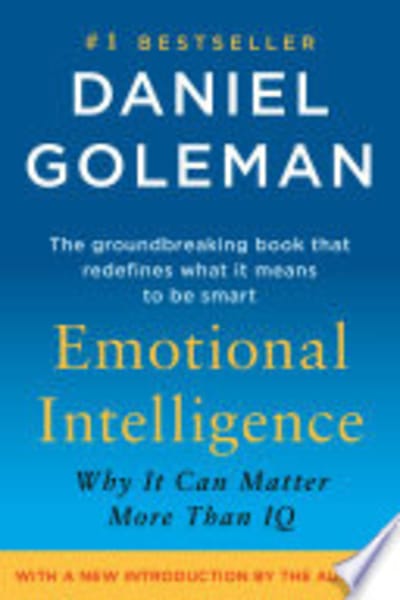
Emotional Intelligence — Book Summary & Review
Last updated:
Emotional Intelligence Summary
Goleman introduces readers to the concept of emotional intelligence (EI) by exploring how understanding and managing our emotions can significantly impact success in life. The book is structured around key components of EI, such as self-awareness, self-regulation, motivation, empathy, and social skills. In Chapter 3, Goleman details the significance of 'Emotional Literacy' and its critical role in personal development. He argues that traditional measures of intelligence, like IQ, do not account for the competencies that EI covers, which can be more predictive of success. However, the book does not delve deeply into the cultural variations of EI, leaving some readers wishing for a more globally nuanced perspective. While Goleman's explanations are clear, those looking for step-by-step techniques may find the book lacking in practical application exercises. Overall, the book serves as a foundational text for understanding emotional intelligence but might leave those seeking a comprehensive guide to EI practices wanting more.
Key Takeaways from Emotional Intelligence
-
1
Emotional Literacy: Understanding and naming your emotions is the first step towards emotional intelligence.
-
2
The Amygdala Hijack: Goleman explains how sudden emotional reactions can bypass rational thought, crucial for managing impulses.
-
3
Social Radar: The ability to read and interpret social cues helps in navigating social interactions effectively.
-
4
Self-Regulation: Involves managing one's emotions to adapt to changing circumstances, crucial for personal and professional success.
-
5
Emotional Contagion: Emotions can spread between people, meaning your mood impacts others around you.
Who Should Read This
Someone who struggles to understand their own emotional responses in professional settings will find this enlightening. If you're in a leadership role and feel disconnected from your team, this book offers valuable perspectives.
Who Shouldn't Read This
If you're seeking a step-by-step program for improving emotional intelligence, this book will frustrate you with its lack of actionable exercises. Those wanting a cross-cultural analysis of emotional intelligence will find its focus too narrow.
Editor's Verdict
The book's best feature is its introduction of the 'Emotional Literacy' concept, which is foundational yet often overlooked. However, it does not provide enough practical exercises for readers looking to actively develop their emotional intelligence skills. This book hits hardest if you're new to the concept of emotional intelligence and need a solid grounding before diving into more practical guides.
Ready to read Emotional Intelligence?
Get your copy on Amazon today.
Emotional Intelligence — Frequently Asked Questions
About Daniel Goleman
Daniel Goleman, born March 7, 1946, is an American psychologist and author renowned for his work on emotional intelligence. He holds a Ph.D. in psychology from Harvard University and has taught at Harvard. Goleman's credibility stems from his extensive research and his role as a science journalist for The New York Times, focusing on brain and behavioral sciences. Besides "Emotional Intelligence," he authored "Social Intelligence" and co-authored "Primal Leadership" with Richard Boyatzis and Annie McKee.