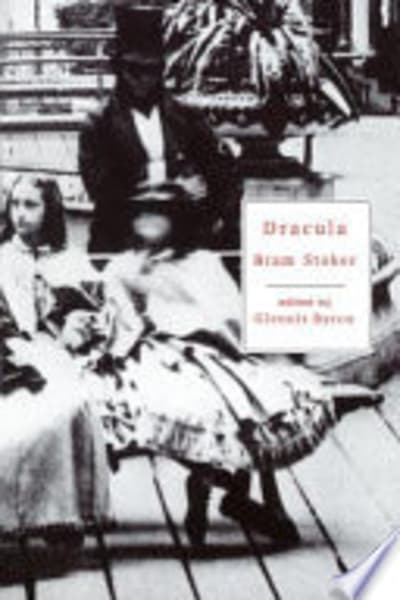
Dracula — Book Summary & Review
by Bram Stoker
Last updated:
Public domain via Project Gutenberg — free and legal.
Dracula Summary
Em Dracula, Stoker builds the whole horror around a documentary-style structure: letters, ship logs, diary entries, and medical reports that pretend to be evidence, and that pretense is what makes the terror feel bureaucratic and real. The book follows Mina and Jonathan Harker and their circle as Drácula’s influence spreads from the Transylvanian castle into England, turning ordinary routines—train rides, correspondence, even bedside conversations—into a slow-motion investigation. Stoker’s most effective move is how Van Helsing (and the others) try to name the threat using logic, folklore, and observation, as if classification could control contagion. In the middle of the madness, chapter titles and dated entries keep changing the “camera angle,” so you keep learning new facts while still having to live with earlier misunderstandings. One concrete example: the “BLOOD” sequence and the surrounding entries make the vampire’s feeding less like a sudden monster reveal and more like a recurring pattern everyone must confront, which is nastier than a single jump-scare. Another example is the way “Dr. Seward’s Diary” and later communications tighten the net around Drácula’s movements, culminating in a plan that is practical, communal, and grimly procedural rather than heroic for its own sake. Stoker also uses Mina’s notes and Van Helsing’s cross-referencing to build a sense that the group is fighting an information problem as much as a creature. The limitation is that the novel can frustrate readers who want a purely modern, fast-paced narrative: the epistolary method means long stretches of repeating context, and some scenes lean hard on Victorian moral panic and rumor before they deliver payoff. If you’re allergic to that style of “collect the records, then suffer through them,” Stoker will test your patience before he earns your dread.
Key Takeaways from Dracula
-
1
Epistolary structure: letters and diaries function like a case file, so fear grows through documentation, not through one steady narrator.
-
2
Van Helsing’s method: he treats superstition as data, combining folklore with observation to justify actions that feel rational on the page.
-
3
Mina’s record-keeping: her timeline and notes turn chaos into pattern recognition, making the hunt feel like detective work.
-
4
The “BLOOD” entries: feeding is framed as recurring evidence, shifting horror from spectacle to contamination and routine dread.
-
5
Drácula’s London move: the castle-to-city migration shows how evil adapts to modern spaces, not just remote wilderness.
Who Should Read This
If you’re the kind of reader who likes horror that builds pressure through documents—diaries, letters, and “found” evidence—this will land. Someone who’s tired of jump-scare horror and wants dread that accumulates through investigation should read Dracula.
Who Shouldn't Read This
If you hate Victorian-era repetition and long stretches of context-setting, you’ll feel dragged by Stoker’s record-keeping format. If you want a sleek, single-voice narrative with minimal moralizing and minimal rumor, Dracula will frustrate you.
Editor's Verdict
The single best thing Dracula does is weaponize its evidence-like structure: the diaries and “BLOOD” material make the threat feel persistent and documented, not just scary. The real limitation is pacing—Stoker sometimes piles up entries and explanations so the story can feel like paperwork while you’re waiting for action. This hits hardest for readers who are burned out on modern, fast-cut horror and want to feel dread tighten over time, especially if you’re picking it up between projects and need something that rewards careful attention.
Ready to read Dracula?
Get your copy on Amazon today.
Dracula — Frequently Asked Questions
About Bram Stoker
Bram Stoker (1847–1912) was an Irish author and theatre manager from Dublin. He worked as a civil servant and later managed London’s Lyceum Theatre, gaining extensive experience observing Victorian society and storytelling. He is credible on horror and vampirism themes because he researched folklore and wrote fiction grounded in contemporary beliefs and travel accounts. Stoker wrote Dracula (1897) and also published The Jewel of Seven Stars (1903) and The Lady of the Shroud (1909).