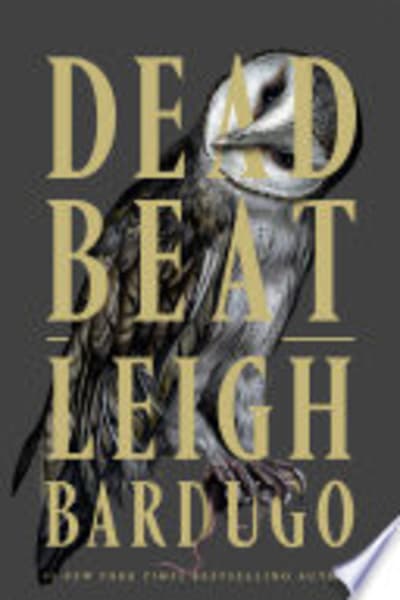
Dead Beat — Book Summary & Review
Last updated:
Dead Beat Summary
In Dead Beat, Leigh Bardugo turns the Ninth House trilogy’s supernatural machinery into a pressure cooker: Alex Stern has “left the door open,” and the book treats that phrase like a literal structural fault line. Bardugo keeps returning to Yale’s secret ecosystem—Lethe House politics, the Lethe Board’s corruption, and the way societies operate like predatory institutions with rules that only half the characters understand. One of the strongest through-lines is how Bardugo escalates consequence: demons feeding on souls of the living, the dead becoming unreliable witnesses, and the underworld creeping into everyday campus spaces. Alex’s fight isn’t only about hunting; it’s about interpretation—what the societies are hiding, what her blood is connected to, and why the “truth” is personal rather than merely academic.
A specific highlight is the book’s use of Darlington as both emotional anchor and active threat. Bardugo’s decision to bring him back into the story forces Alex to confront the version of him she carried in her head, then weaponizes that attachment when his cursed powers start making the world behave differently. Meanwhile, the Lethe House delegates and their vulnerability to Hell’s stalking create a steady sense of dread that feels engineered, not accidental.
Still, Dead Beat doesn’t do everything. If you want a standalone horror plot with minimal dependency on the first two Ninth House books, you may feel punished by the density of ongoing lore. The book also leans hard into institutional intrigue and character history, so some readers will find the pacing uneven when the action pauses for revelations about societies and bloodline secrets.
Key Takeaways from Dead Beat
-
1
Lethe Board: Bardugo uses it as a bureaucratic villain, turning campus governance into a slow-motion catastrophe.
-
2
Alex Stern’s blood: The plot treats heredity like a key, unlocking access to underworld mechanics and personal guilt.
-
3
Societies at Yale: These groups operate with hidden rules, so “membership” functions like a trap, not a club.
-
4
Darlington’s return: His cursed powers don’t just raise stakes; they rewrite Alex’s emotional logic in real time.
-
5
Hell stalking delegates: The threat escalates through targeted pressure, making survival depend on timing and alliances.
Who Should Read This
If you’ve already invested in the Ninth House trilogy and you’re craving a final showdown that mixes campus conspiracy with supernatural consequences, someone like you will enjoy Dead Beat. If you’re the kind of reader who wants character history to matter—especially Alex Stern’s—this book will land hardest during that post-cliffhanger itch.
Who Shouldn't Read This
If you need a clean entry point and hate lore-heavy plotting, Dead Beat will frustrate you because it assumes you remember prior society mechanics. If you dislike institutional intrigue and prefer nonstop set pieces, the book’s frequent revelations about Yale’s secrets may feel like detours.
Editor's Verdict
Dead Beat’s best strength is how Leigh Bardugo weaponizes Yale’s social architecture: the Lethe Board corruption and Lethe House power games make the supernatural feel like an extension of human systems, not random magic. The limitation is that the ending relies on prior trilogy context and dense society lore, so newcomers will feel like they’re reading with missing pages. This hits hardest for anyone who finished Hell Bent, sat with the questions for a while, and now wants answers that actually cost the characters something.
Ready to read Dead Beat?
Get your copy on Amazon today.
Dead Beat — Frequently Asked Questions
About Leigh Bardugo
Leigh Bardugo is an American author and former journalist and writing instructor. She grew up in Los Angeles and studied at Barnard College and the University of Iowa. She is credible on supernatural and urban-fantasy themes because her fiction draws on her extensive experience writing and publishing genre novels. She wrote the Grishaverse series, including Shadow and Bone, and the Six of Crows duology, including Six of Crows.