Cool Machine — Book Summary & Review
Last updated:
Cool Machine Summary
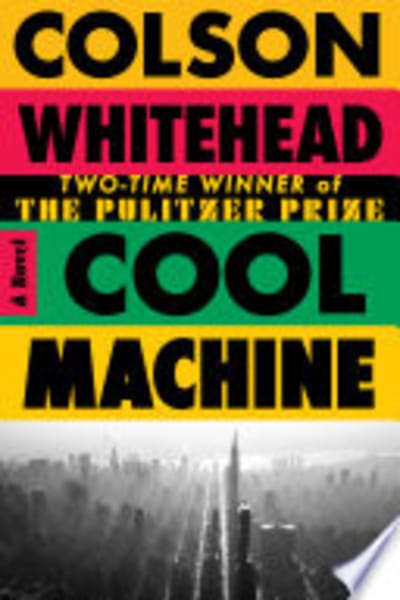
Cool Machine is the final volume of Colson Whitehead’s Harlem Trilogy, and it’s built around a three-part clock: 1981, 1983, and 1986, with Ray Carney’s hustles and guilt becoming the city’s real engine. In 1981, Whitehead drops you into a New York with Reagan-era dealmaking and bank refusals, then makes the plot hinge on something painfully specific: Sterling Furniture’s “Dealer of the Month” moment collides with Elizabeth Carney’s loan denial, and Ray’s last heist forces him into a criminal orbit he can’t control. The heist isn’t the point; the point is how Whitehead treats capitalism like a language everyone speaks while pretending they don’t understand its grammar. In 1983, Pepper’s bodyguard gig drags Ray through the East Village art-and-club ecosystem, where the same violence that rules uptown becomes a kind of shared currency—Pepper can read it fluently, and Ray can only survive by guessing. Whitehead’s recurring trick is that “what’s below the surface” is literal as well as moral, and the book’s imagery keeps proving that. By 1986, Ray’s long-buried failure to save cousin Freddie snaps into a new mission: rescuing Freddie’s son from the city’s machinery, with only one shot and years of carefully built safety at stake. If you want a clean, single-straight plot, Cool Machine will frustrate you; it’s more interested in mood, systems, and moral accounting than in giving every thread the satisfaction of tidy closure. Whitehead also doesn’t write in a mode where you can skim past the details—his satire and metaphors demand attention, especially when the city’s “tunnels” start functioning like a second narrative voice.
Key Takeaways from Cool Machine
-
1
Harlem Trilogy structure: Cool Machine uses three dated sections (1981/1983/1986) to show how the same violence mutates over time.
-
2
Sterling Furniture “Dealer of the Month”: Whitehead uses a corporate award to expose how respectability is just another marketing costume.
-
3
Real-estate and Wall Street unchained: the Reagan-era deal logic turns loans, jobs, and theft into one continuous ecosystem.
-
4
Pepper’s East Village bodyguard gig: Pepper treats street power as a skill set, and Ray’s discomfort becomes the book’s moral barometer.
-
5
1986 Freddie’s rescue mission: Whitehead makes “one shot” a character test, not an action set-piece, forcing accountability.
Who Should Read This
Someone who likes crime fiction but gets annoyed when the city feels like wallpaper will probably enjoy how Whitehead makes New York behave like a system. If you’re in a phase where you’re rethinking ambition, family loyalty, and the cost of “playing it safe,” Cool Machine will hit hardest.
Who Shouldn't Read This
If you want a tightly linear thriller with minimal symbolism, Cool Machine’s shifting timelines and heavy satire will feel like resistance. If you’re sensitive to morally gray characters who aren’t “redeemed” in a comforting way, Whitehead’s final accounting may leave you cold.
Editor's Verdict
Cool Machine’s best trick is how Whitehead turns the decade-jump structure (1981 to 1983 to 1986) into a moral X-ray, especially through Pepper’s East Village immersion. The limitation is that the book prioritizes systems, mood, and symbolism over the kind of clean plot satisfaction some readers buy crime novels for. If you’re the kind of reader who’s tired of surface-level hustle stories and you’re mid-career questioning what safety really costs, this one lands.
Ready to read Cool Machine?
Get your copy on Amazon today.
Cool Machine — Frequently Asked Questions
About Colson Whitehead
Colson Whitehead is an American author and journalist. He was born in New York City and studied at Harvard University. He writes fiction and nonfiction that draw on politics, culture, and American history, including the role of technology and media in society. His credibility comes from years of published work and reporting, plus his track record of examining how systems shape everyday life. Notable works include The Nickel Boys and The Underground Railroad.