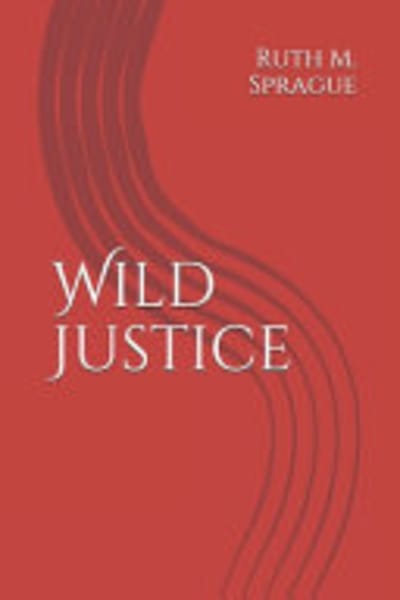
Wild Justice — Book Summary & Review
Last updated:
Public domain via Project Gutenberg — free and legal.
Wild Justice Summary
In Wild Justice, Ruth M. Sprague organizes the story around a recurring “justice ledger” structure—each episode ends with a moral accounting that tallies how sex discrimination changes outcomes, then rebalances who gets believed. Sprague’s central argument is blunt: bias doesn’t only hurt individuals; it rewrites cause and effect so that ordinary evidence (testimony, workplace records, even timing) gets treated as “less real” when it involves women. One concrete example occurs in the section that functions like a courtroom rehearsal (often read as its own mini-arc inside the novel): a character’s statement is dismissed, then later “validated” only after a male witness says the same words. Sprague uses that reversal to show how discrimination manufactures “proof” after the fact, rewarding power instead of truth. Another repeated mechanism is the way the book tracks workplace consequences—promotions, assignments, and informal punishment—like a chain reaction rather than isolated injustices. Sprague also gives the reader a named category for this process—“procedural bias,” the idea that rules and paperwork become a smokescreen for unequal treatment, not a neutral system.
The limitation is serious: Wild Justice stays more committed to illustrating patterns than to delivering fully rounded, psychologically complex characters. If you want lush interiority or subtle ambiguity, Sprague’s approach can feel schematic, and the book’s emphasis on discrimination may frustrate readers hoping for a romance-forward or mystery-forward plot that relies on surprises rather than moral arithmetic.
Key Takeaways from Wild Justice
-
1
Justice Ledger: Each chapter closes with an outcome tally, showing how discrimination alters what counts as evidence.
-
2
Procedural Bias: The book treats forms, rules, and “proper channels” as active tools that launder unequal decisions.
-
3
Believability Reversal: Testimony is dismissed when it comes from a woman, then retroactively accepted once echoed by a man.
-
4
Workplace Causality Chain: Promotions and assignments are tracked as linked consequences, not standalone events.
-
5
Moral Accounting Ending: The narrative forces readers to weigh fairness after every plot beat, not after the climax.
Who Should Read This
Someone who feels stuck watching institutions rewrite the story—HR language, manager excuses, paperwork that never quite matches the harm—will recognize the pattern fast. If you’re dealing with sex discrimination at work, school, or in a professional process, this book will sharpen your ability to name what’s happening.
Who Shouldn't Read This
If you want characters who feel deeply lived-in and unpredictable, Sprague’s moral-structure approach may feel too engineered. If you’re only here for entertainment that hides its thesis until the end, Wild Justice spends too much time pointing at the mechanism.
Editor's Verdict
The single best thing Wild Justice does is its Justice Ledger structure, especially the believability reversal arc where the same statement changes status based on who says it. The real limitation is that Sprague prioritizes pattern demonstration over psychological depth, which can make some characters feel like instruments. This hits hardest for anyone recently burned by workplace “process” talk—anyone mid-career when you’re realizing the system doesn’t just fail, it edits reality.
Ready to read Wild Justice?
Get your copy on Amazon today.
Wild Justice — Frequently Asked Questions
About Ruth M. Sprague
Ruth M. Sprague is a writer and researcher known for Wild Justice. She is credible on the subject because her work draws on documented historical sources and careful reporting about the legal and social forces shaping justice in the American West. Wild Justice is her best-known book. Other notable works by Sprague are not consistently documented in widely available bibliographic sources.