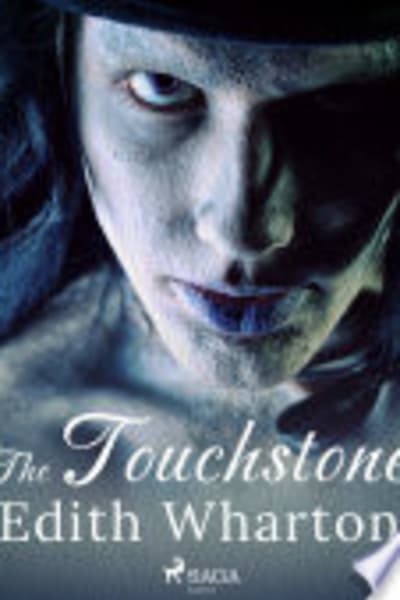
The Touchstone — Book Summary & Review
Last updated:
Public domain via Project Gutenberg — free and legal.
The Touchstone Summary
In The Touchstone, Wharton builds its whole moral trap around the love-letters Stephen Glennard sells after digging them up from the dead author Margaret Aubyn—then using the erasure of only his name as if that were the only ethical question worth asking. The story is short, but it’s engineered: Stephen’s financial panic and ruined career set the pressure, and the letters supply the emotional currency he thinks he can convert into a respectable marriage. Wharton makes you watch the conversion process in real time, from the first thrill of possessing Aubyn’s words to the long, sour aftertaste of realizing those words were never meant for him as a living man.
There’s a concrete hinge in the novella’s structure: the letters themselves function like a “touchstone,” tested repeatedly against Stephen’s behavior. When he marries his beautiful fiancée using the fortune made from betrayal, the marriage doesn’t feel like romantic resolution; it feels like a legal document written over a corpse. Wharton’s best work is how she renders the triangle dynamics—Stephen, his wife, and the absent but omnipresent Aubyn—without melodrama. Aubyn’s death doesn’t end the power of her authorship; it intensifies it, because the living characters can’t negotiate with a dead woman’s intentions.
Wharton also keeps returning to rejection psychology: Stephen is rejected by the world of work, then “accepted” by marriage, and both forms of rejection leave the same bruise. The limitation: this novella is not a courtroom of ethics that lets you settle into a moral ending; it’s more interested in the slow corrosion of self-knowledge than in offering comfort or practical guidance for fixing relationships. If you want a plot that resolves cleanly, Wharton will frustrate you.
Key Takeaways from The Touchstone
-
1
Love-letters as currency: Stephen treats Aubyn’s private words like transferable assets, and Wharton shows the cost of that shortcut.
-
2
Touchstone testing: the letters act like a moral instrument, measuring Stephen’s lies against how he behaves once the money is in place.
-
3
Authorship after death: Aubyn’s absence doesn’t neutralize her power; it makes her influence harder to confront and harder to justify.
-
4
Rejection as a bruise: Stephen’s career collapse and social exclusion echo each other, shaping his marriage with the same insecurity.
-
5
Triangle pressure: the triangle of Stephen, his wife, and Aubyn’s shadow turns affection into surveillance and intimacy into bargaining.
Who Should Read This
Someone who has ever built a “fresh start” out of borrowed legitimacy—whether social, professional, or romantic—should read Wharton’s The Touchstone to see how that strategy rots from inside. If you’re stuck in a relationship where the story you tell yourself keeps changing, this novella will feel uncomfortably specific.
Who Shouldn't Read This
If you need a satisfying moral verdict or a neatly engineered redemption arc, Wharton won’t deliver it; the novella prefers moral discomfort over closure. If you dislike psychological realism and want big external action, you may find the central engine—the letters and what they do to people—too contained.
Editor's Verdict
The single best thing The Touchstone does is turn Aubyn’s love-letters into an active moral device, so Stephen’s “conversion” of art into marriage keeps failing the same test. The real limitation is that the story doesn’t aim to rehabilitate Stephen or teach you how to repair what he breaks; it mostly documents damage and self-deception. Anyone who’s recently questioned whether their second chance is built on honesty will feel the sharpest sting halfway through the marriage’s early consequences.
Ready to read The Touchstone?
Get your copy on Amazon today.
The Touchstone — Frequently Asked Questions
About Edith Wharton
Edith Wharton (1862–1937) was an American novelist and short-story writer from a prominent New York family. She grew up in high society and traveled widely in Europe, giving her firsthand knowledge of social customs, class behavior, and etiquette. She is credible on these topics in The Touchstone because her fiction repeatedly examines manners and moral judgment. Other notable works include The House of Mirth (1905) and Ethan Frome (1911).