The Tell-tale Heart, and Other Stories — Book Summary & Review
Last updated:
The Tell-tale Heart, and Other Stories Summary
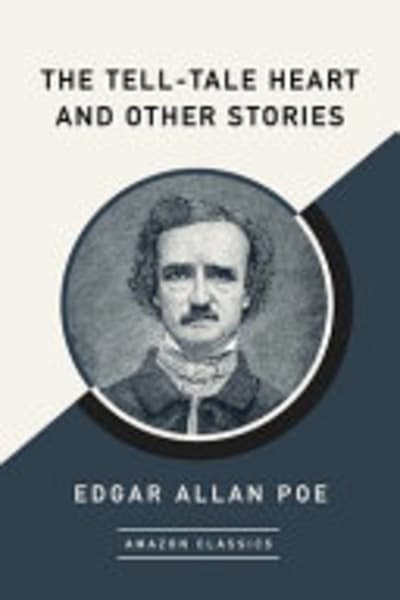
The Tell-tale Heart and Other Stories is arranged as a set of gothic case studies, with “The Tell-Tale Heart” leading the charge and the rest orbiting grief, greed, fear, and guilt the way Poe’s own mind seems to orbit death. The book’s emotional engine is Poe’s unreliable narrator technique: in “The Tell-Tale Heart,” the speaker insists he’s sane while his actions and obsessive hearing prove otherwise. Poe builds terror through repetition and escalation—“vulture eye” becomes a fixed target, and the beating heart turns from sensation into accusation. What makes this collection work, even when the stories vary in mood, is how Poe treats guilt like a physical force: it leaks, it hounds, and it eventually crowds out reason.
In “The Black Cat,” Poe tightens the noose by linking cruelty to confession, then confession to self-incrimination, so the narrator’s logic becomes a trapdoor. “The Fall of the House of Usher” adds a different flavor of dread—less courtroom and more atmosphere—yet it still leans on mental distress as the true monster. Even when you’ve read Poe before, the stories hold their structure: they move by obsession, not by plot twists for their own sake.
Here’s the honest limitation: this collection is not a soothing or “cozy” introduction to classic literature, and it won’t flatter readers who want modern pacing, clean moral clarity, or stories that explain themselves. If you’re hoping for warmth, psychological realism, or a tidy ending that reassures you, Poe will frustrate you on purpose.
After finishing, I kept thinking how Poe, last name Poe, can make the mind feel like a locked room—and how each story, including “The Raven” in verse elsewhere in this tradition, trains you to listen for the next wrong beat.
Key Takeaways from The Tell-tale Heart, and Other Stories
-
1
Unreliable narrator: Poe makes the speaker argue for sanity while the text quietly disproves them through obsession and behavior.
-
2
Obsessive hearing motif: “The Tell-Tale Heart” turns sound into evidence, so terror feels like proof rather than atmosphere.
-
3
Guilt as physical force: Poe writes guilt like it presses in on the senses, not like an abstract lesson after the fact.
-
4
Grief and decay imagery: “The Fall of the House of Usher” uses environment and illness to externalize inner collapse.
-
5
Confession as trap: “The Black Cat” links self-reporting to self-incrimination, making “admission” part of the punishment.
Who Should Read This
Someone who’s already fascinated by Poe’s “Tell-Tale Heart” and wants to see how his unreliable narrator method mutates across different kinds of dread. Someone who’s dealing with intrusive guilt or rumination and wants to watch those feelings get staged as horror.
Who Shouldn't Read This
If you need modern pacing, clear emotional takeaways, and stories that explain themselves, this collection will feel like a wall of locked doors. If you’re sensitive to graphic, death-tinged themes and morally compromised narrators, Poe’s tone will likely sour fast.
Editor's Verdict
The best thing this book does is sustain Poe’s unreliable narrator horror, with “The Tell-Tale Heart” as the template: sanity talk paired with escalating sensory obsession. The limitation is that the collection offers no comfort—just rotating angles of fear, guilt, and death, with uneven payoff across the set. This hits hardest for anyone who’s just reread one Poe story and now wants the full pattern, especially late at night when your brain starts filling in gaps.
Ready to read The Tell-tale Heart, and Other Stories?
Get your copy on Amazon today.
The Tell-tale Heart, and Other Stories — Frequently Asked Questions
About Edgar Allan Poe
Edgar Allan Poe (1809–1849) was an American writer and editor known for horror and psychological fiction. He was born in Boston, raised in Richmond, and published early in magazines while working as an editor and critic. Poe’s credibility on the topic of suspense and unreliable perception comes from his extensive authorship of short stories and his reputation for crafting tightly controlled psychological narratives. Notable works include “The Raven” and “The Murders in the Rue Morgue.”