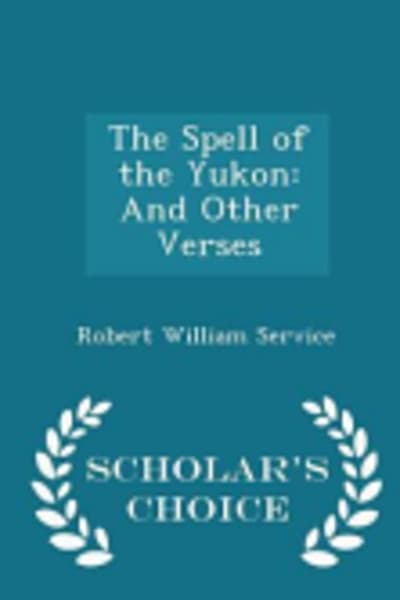
The Spell of the Yukon and Other Verses — Book Summary & Review
by Robert W. (Robert William) Service
Last updated:
Public domain via Project Gutenberg — free and legal.
The Spell of the Yukon and Other Verses Summary
The Spell of the Yukon and Other Verses is built like a set of cinematic set pieces, with Robert Service repeatedly pivoting from frontier grit to sudden, singable tragedy—especially in the two famous long poems most people know first: “The Shooting of Dan McGrew” and “The Cremation of Sam McGee.” Service doesn’t try to “teach” you the Klondike so much as make you feel its rhythm: the hard pace of work, the brash talk, then the cold that turns bragging into bargaining with fate. In “Dan McGrew,” the swagger is the point—until the poem snaps into consequence, and you realize how quickly bravado becomes a ledger. “Sam McGee” is the emotional engine of the collection: the narrator’s weary humor, the deadpan insistence on the absurd logistics of cremation, and the way Service turns a winter journey into a moral reckoning you can hear in the cadence.
Around those anchors, Service keeps varying the tone without losing the punchline structure of each verse: quick setup, vivid image, then a turn that lands like a shove. “My Madonna” shifts the lens to romantic longing and guilt; it’s less about Yukon weather and more about what people carry when the adventure ends. Even the shorter pieces tend to work the same way—tight stanzas, memorable turns of phrase, and characters who talk as if language itself is a tool for survival.
Here’s the limitation: this book is only as good as your tolerance for early-1900s poetic style and for reading poems that aim for strong mood over subtlety. If you want modern free-verse experimentation, or if you’re hunting for a single sustained narrative, Service will frustrate you.
Key Takeaways from The Spell of the Yukon and Other Verses
-
1
“The Shooting of Dan McGrew” Frames swagger as a trap, showing how quickly frontier bragging turns into irreversible outcome.
-
2
“The Cremation of Sam McGee” Uses deadpan humor to make grief feel logistical, then lets the cold do the emotional damage.
-
3
Service’s verse Structure Relies on quick setup and tonal snap, so each poem rewards attention to cadence and turn.
-
4
“My Madonna” Shifts from frontier spectacle to moral ache, proving Service can write longing without changing his punchline instincts.
-
5
The Yukon framing Works as mood more than history, trading accuracy for voice-driven mythmaking you either enjoy or don’t.
Who Should Read This
Someone who already knows a couple of Service hits and wants the rest of his voice in one small, no-nonsense volume. If you’re craving vivid frontier characters but don’t want a novel’s length commitment, Service is built for you.
Who Shouldn't Read This
If you need nuanced realism or documentary detail about the Klondike, Service’s mythic tone will feel like costume drama. If you dislike older poetic diction and prefer contemporary styles, you’ll spend more time translating than enjoying.
Editor's Verdict
The single best thing Service does here is weaponize rhythm—“The Cremation of Sam McGee” turns a ridiculous premise into a haunting emotional accounting. The real limitation is that the collection is a set of standalone poems, so it won’t satisfy anyone expecting a coherent plot or deep historical exploration. If you’re someone who’s had enough “serious literature” that never quite lands, this hits hardest when you want language to move fast and leave a bruise.
Ready to read The Spell of the Yukon and Other Verses?
Get your copy on Amazon today.
The Spell of the Yukon and Other Verses — Frequently Asked Questions
About Robert W. (Robert William) Service
Robert William Service (1874–1958) was a British-born Canadian poet and journalist. He worked as a reporter in the Yukon during the Klondike Gold Rush, observing the region firsthand, which informed his writing about northern life. His credibility comes from direct experience of the Yukon and his role in documenting it for contemporary audiences. He is best known for The Spell of the Yukon and Other Verses (1908). Other notable works include Songs of a Sourdough (1907) and Rhymes of a Rolling Stone (1912).