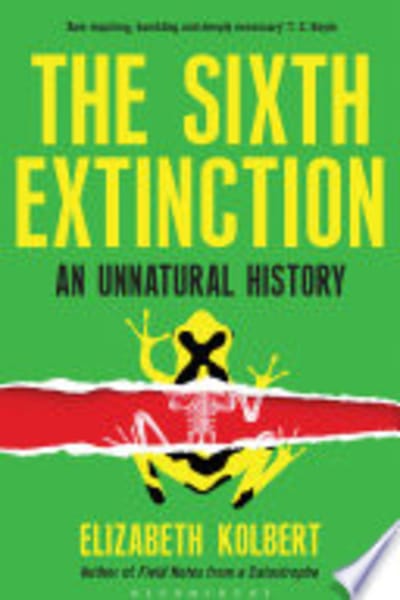
The Sixth Extinction — Book Summary & Review
Last updated:
The Sixth Extinction Summary
Elizabeth Kolbert introduces the concept of 'The Sixth Extinction' in her book, outlining the current anthropogenic mass extinction event. Her narrative is structured around both historical and present-day examples, with chapters like 'The Next of Kin' examining the disappearance of Neanderthals. Kolbert's field reporting is a highlight, vividly detailing her visits to various extinction sites such as the Panamanian rainforest. However, the book is less about offering solutions and more about raising awareness, which might frustrate readers looking for actionable advice. Kolbert's writing is engaging and well-researched, though it may leave readers yearning for a more hopeful outlook on humanity's impact on the planet.
Key Takeaways from The Sixth Extinction
-
1
The Sixth Extinction: Kolbert argues we are living through a human-driven mass extinction event impacting numerous species worldwide.
-
2
The Castaway Amphibians: Highlights the alarming decline of amphibian populations, particularly frogs, due to habitat destruction and disease.
-
3
The New Pangaea: Explores how globalization has created a 'new Pangaea,' facilitating invasive species spread across continents.
-
4
The Anthropocene: Kolbert discusses the concept of the Anthropocene, a proposed epoch marking human impact as a geological force.
-
5
The Great Auk: Uses the extinction of the Great Auk as a case study to illustrate human contributions to species' demise.
Who Should Read This
Someone who is grappling with the overwhelming news of environmental degradation and wants a deeper historical context. If you find yourself questioning the long-term impact of human activities on the planet, this book offers a thorough examination.
Who Shouldn't Read This
If you are looking for a guide on how to personally combat climate change, this book will disappoint as it focuses on the problem, not solutions. Those who prefer optimistic narratives might find Kolbert's emphasis on extinction and loss quite disheartening.
Editor's Verdict
Kolbert excels at immersing readers in the realities of extinction with her poignant visit to the Panamanian rainforest. However, the book lacks concrete solutions for those seeking actionable steps to counteract these issues. It resonates deeply with anyone who feels overwhelmed by climate change news and wants a well-contextualized understanding of current events.
Ready to read The Sixth Extinction?
Get your copy on Amazon today.
The Sixth Extinction — Frequently Asked Questions
About Elizabeth Kolbert
Elizabeth Kolbert is an acclaimed journalist and author known for her work on environmental issues. She graduated from Yale University and began her career at The New York Times. Kolbert is a staff writer for The New Yorker, where she has extensively covered climate change. Her book, "The Sixth Extinction," won the Pulitzer Prize for General Nonfiction in 2015. Other notable works include "Field Notes from a Catastrophe" and "Under a White Sky."