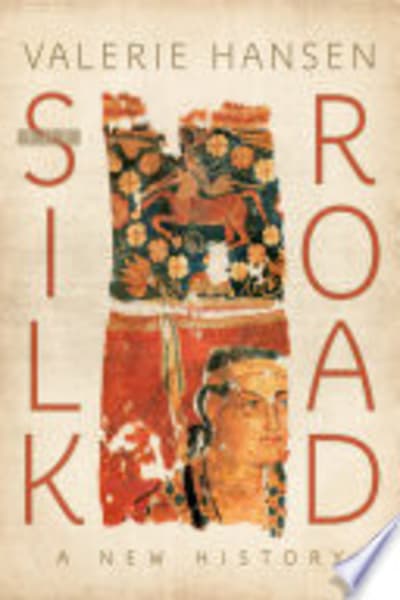
The Silk Road — Book Summary & Review
Last updated:
The Silk Road Summary
Valerie Hansen structures The Silk Road around seven key cities, each representing a distinct aspect of the historical trade routes. By focusing on specific locales like Dunhuang and Turfan, Hansen vividly illustrates how the Silk Road was not one road but a network of interconnected routes. In the chapter 'The Road to Samarkand', she dissects how cultural exchanges in this vibrant city fueled the spread of ideas and goods. Hansen's meticulous research and use of primary sources bring these ancient crossroads to life, yet she does not provide a deep dive into the lives of the individuals who traversed these paths. If you're looking for personal stories of travelers, this might leave you wanting more, as the focus remains on the broader historical and commercial implications.
Key Takeaways from The Silk Road
-
1
The Dunhuang Manuscripts: Hansen uses these documents to unravel the local economy and religious practices of the region.
-
2
Khotan's Jade Trade: A pivotal chapter that explains how this city became a key supplier of luxury goods to China.
-
3
The Sogdian Network: Reveals the intricate commercial and cultural connections facilitated by this influential merchant community.
-
4
Buddhist Cave Art in Kucha: Demonstrates the religious and artistic influences exchanged along the Silk Road.
-
5
Zoroastrian Fire Temples: Explores the lesser-known religious practices that spread through trade, highlighting cultural diversity.
Who Should Read This
If you're someone piecing together the cultural and historical puzzle of Asia's ancient trade routes, this book is your map. Someone who appreciates detailed archaeological and historical analysis will find it enthralling.
Who Shouldn't Read This
If you crave personal narratives or first-person accounts, Hansen's focus on cities and trade networks will frustrate you. Someone looking for a fast-paced, anecdotal history might find the detailed academic approach cumbersome.
Editor's Verdict
The best aspect of The Silk Road is Hansen's use of primary sources, such as the Dunhuang Manuscripts, to paint a vivid historical picture. However, the book can be dense and lacks the personal stories some readers might crave. Anyone delving into the history of trade and cultural exchanges across Asia will find this a rewarding exploration.
Ready to read The Silk Road?
Get your copy on Amazon today.
The Silk Road — Frequently Asked Questions
About Valerie Hansen
Valerie Hansen is a distinguished historian and professor at Yale University, specializing in Chinese and world history. She holds a Ph.D. from the University of Pennsylvania. Hansen is renowned for her expertise on the Silk Road, demonstrated in her acclaimed book "The Silk Road: A New History." Her credibility is further established through her extensive research and fieldwork in China. Other notable works include "The Year 1000" and "The Open Empire."