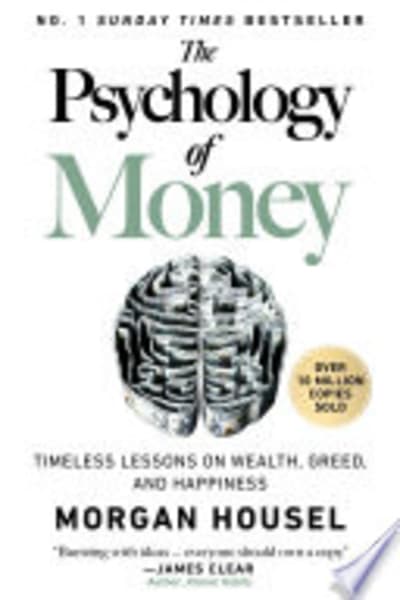
The Psychology of Money — Book Summary & Review
Last updated:
The Psychology of Money Summary
Housel introduces the concept of 'the soft skills of money,' arguing that financial success is more about behavior than knowledge. The book is structured around 19 short stories, each illustrating how emotions and biases influence our financial decisions. A standout chapter is 'Man in the Car Paradox,' which explores how the perception of wealth often trumps the reality of it. Housel uses accessible anecdotes to break down complex psychological phenomena, making it relatable for anyone who's ever made a questionable financial choice. However, the book doesn't offer detailed investment strategies or specific financial advice, which might frustrate those looking for a practical guide to wealth-building. Instead, it focuses on the psychology behind our spending and saving habits, making it an excellent read for those curious about the emotional side of money management.
Key Takeaways from The Psychology of Money
-
1
The Soft Skills of Money: Financial success is more about behavior than knowledge, emphasizing emotional discipline over technical expertise.
-
2
Man in the Car Paradox: The desire to appear wealthy often outweighs the actual benefits of being wealthy.
-
3
Survivorship Bias: We overestimate the importance of famous success stories and underestimate the role of failure and luck.
-
4
The Seduction of Pessimism: Pessimistic forecasts are more attention-grabbing and believable, affecting our financial decision-making.
-
5
Compounding: Small, consistent actions over time yield significant results, often underestimated in personal finance decisions.
Who Should Read This
Someone who feels emotionally driven by money decisions and wants to understand the psychological factors at play. If you're curious about why you make certain financial choices but are not seeking a strict financial plan, this book is for you.
Who Shouldn't Read This
If you're looking for a step-by-step guide on investment or personal finance management, this book will disappoint. The lack of concrete financial advice makes it unsuitable for those who want actionable strategies rather than theory.
Editor's Verdict
The book excels in demystifying the emotional aspects of financial behavior, as seen in 'The Seduction of Pessimism.' However, it lacks specific financial planning advice, which could be a letdown for those seeking concrete steps. If you're at a point where you're questioning your financial habits and want to understand the 'why' behind them, this book is particularly insightful.
Ready to read The Psychology of Money?
Get your copy on Amazon today.
The Psychology of Money — Frequently Asked Questions
About Morgan Housel
Morgan Housel is a partner at Collaborative Fund and a former columnist for The Motley Fool and The Wall Street Journal. He is well-regarded for his insights on behavioral finance, making him a credible author on the subject of money psychology. His book, "The Psychology of Money," explores how emotions and behaviors influence financial decisions. Housel is also known for his work in "Collaborative Fund's blog" and his contributions to financial literature through various essays and articles.