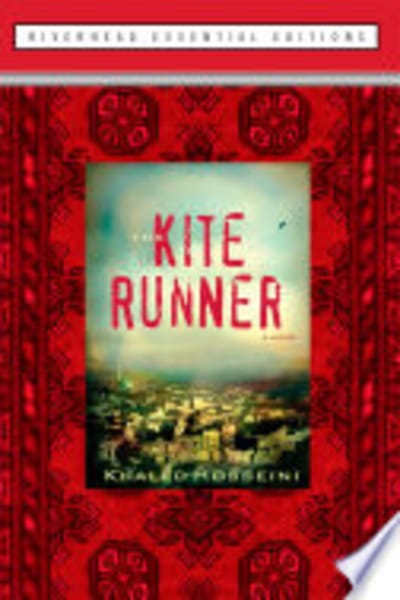
The Kite Runner — Book Summary & Review
Last updated:
The Kite Runner Summary
In Khaled Hosseini's The Kite Runner, the kite-fighting tournaments of Kabul serve as a poignant backdrop to the complex friendship between Amir and Hassan. The book unfolds with a vivid portrayal of Afghanistan, diving into themes of betrayal and redemption as Amir grapples with his guilt over a childhood incident involving Hassan. The chapter titled 'In the Shadow of the Mosque' is particularly striking, capturing the socio-political upheaval that shapes the characters' lives. Hosseini's narrative excels at drawing readers into the personal and political turmoil of his characters, making it easy to empathize with their struggles. However, this book might not satisfy those seeking a fast-paced adventure, as its strength lies in its emotional depth and character development rather than action-packed sequences.
Key Takeaways from The Kite Runner
-
1
Kite-Fighting Tournaments: A symbol of freedom and conflict, representing Amir's desire for his father's approval and his internal struggles.
-
2
The Alley: The pivotal scene that marks Amir's betrayal of Hassan, leading to lasting guilt and a quest for redemption.
-
3
Pomegranate Tree: A symbol of Amir and Hassan's friendship, later reflecting their fractured relationship and Amir's guilt.
-
4
Baba's Principles: Amir's father teaches him about honor and integrity, lessons Amir struggles to live up to throughout his life.
-
5
The Taliban's Rise: Explored in 'In the Shadow of the Mosque', illustrating the dramatic changes in Afghan society impacting all characters.
Who Should Read This
Someone who is intrigued by complex human relationships and the impact of past actions on present lives will find this book deeply engaging. If you’re seeking a narrative that intertwines personal growth with historical context, this story will resonate.
Who Shouldn't Read This
If you're looking for a lighthearted or action-driven narrative, The Kite Runner will likely disappoint. The book's focus on emotional and moral dilemmas might frustrate readers who prefer straightforward storytelling.
Editor's Verdict
The Kite Runner excels in capturing the emotional landscape of betrayal and redemption, particularly evident in the chapter 'The Return'. Its real limitation is the slow pacing, which might not suit those craving quick thrills. This book hits hardest for anyone reflecting on past mistakes and seeking emotional resolution.
Ready to read The Kite Runner?
Get your copy on Amazon today.
The Kite Runner — Frequently Asked Questions
About Khaled Hosseini
Khaled Hosseini, born in Kabul, Afghanistan, in 1965, is an acclaimed author known for his debut novel "The Kite Runner," which draws on his Afghan heritage and personal experiences. He moved to the United States in 1980. Hosseini's credibility stems from his intimate knowledge of Afghan culture and history. Other notable works include "A Thousand Splendid Suns" and "And the Mountains Echoed," both of which further explore themes of family, love, and the Afghan experience.