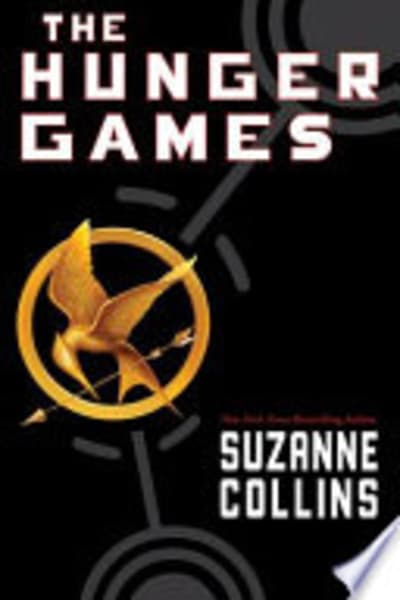
The Hunger Games — Book Summary & Review
Last updated:
The Hunger Games Summary
In The Hunger Games, Collins introduces us to the brutal 'Reaping' ceremony, where children like Katniss Everdeen are selected to fight to the death. The narrative is built around the harrowing experience of this dystopian reality TV show, where survival is a twisted form of entertainment. The book's strength lies in its exploration of Katniss's character, especially her resourcefulness and resilience, which are vividly portrayed in the arena. Collins also offers intriguing parallels to Roman gladiatorial games and critiques modern reality television, underlining the desensitization to violence. However, the book's focus on action and plot may frustrate readers looking for deeper emotional introspection or world-building detail beyond Panem's grim spectacle.
Key Takeaways from The Hunger Games
-
1
The Reaping: A lottery system that forces children into deadly games, highlighting Panem's oppressive control.
-
2
Mockingjay Symbol: Represents rebellion and hope, becoming a rallying emblem for those resisting the Capitol.
-
3
The Career Tributes: Competitors from wealthier districts trained for the games, showcasing class disparity in Panem.
-
4
Peeta's Bread: A symbol of kindness and survival, reflecting Peeta's complex relationship with Katniss.
-
5
Tracker Jackers: Genetically engineered wasps used as weapons, illustrating the Capitol's manipulation of nature.
Who Should Read This
Someone who craves intense, fast-paced action and enjoys rooting for an underdog in a dystopian setting. If you're fascinated by societal critique wrapped in survival drama, this book will grip you.
Who Shouldn't Read This
If you're seeking a richly detailed world with extensive lore or deep philosophical musings, this might not satisfy. The plot-driven narrative leaves little room for nuanced emotional exploration or character development beyond the main arc.
Editor's Verdict
The Hunger Games excels in its gripping depiction of survival against all odds, especially in the 'Arena' chapters. However, it lacks the intricate world-building some fantasy readers might expect. This book hits hardest for anyone feeling trapped by societal expectations and yearning for a narrative about resilience and defiance.
Ready to read The Hunger Games?
Get your copy on Amazon today.
The Hunger Games — Frequently Asked Questions
About Suzanne Collins
Suzanne Collins, born August 10, 1962, in Hartford, Connecticut, is an acclaimed author known for "The Hunger Games" trilogy. She holds a degree in Drama and Telecommunications from Indiana University and an MFA in Dramatic Writing from NYU. Her experience as a writer for children's television, including "Clarissa Explains It All," contributes to her narrative skills. Collins also authored "The Underland Chronicles," a successful fantasy series. Her works often explore themes of war, survival, and societal structures.