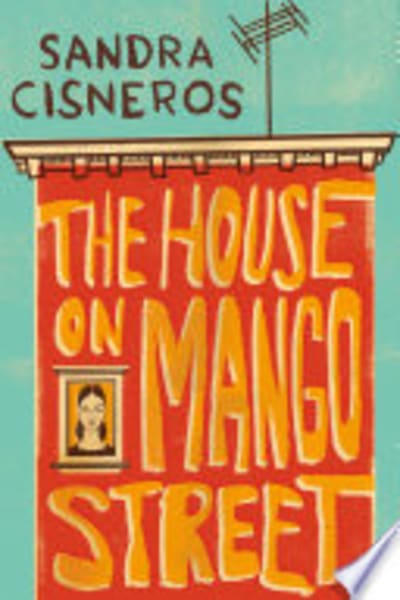
The House on Mango Street — Book Summary & Review
Last updated:
The House on Mango Street Summary
Esperanza's longing for a real home, symbolized in the chapter 'A House of My Own', frames her journey through the vignettes of The House on Mango Street. Cisneros crafts a mosaic of experiences that reflect Esperanza's struggles and aspirations, using poetic language and vivid imagery. The book's strength lies in its ability to capture the essence of adolescence and identity, particularly in the context of a young Latina girl growing up in a Chicago barrio. Cisneros' use of short, interconnected stories allows readers to dip into moments of joy, melancholy, and resilience, creating a rich tapestry of cultural and personal growth. However, for those seeking a linear narrative or a deeply detailed backstory, the fragmented structure might feel disjointed and incomplete.
Key Takeaways from The House on Mango Street
-
1
A House of My Own: Esperanza dreams of a space that is truly hers, symbolizing independence and self-definition.
-
2
The Red Clowns: A harrowing incident that marks Esperanza's loss of innocence and highlights societal issues of violence and misogyny.
-
3
Four Skinny Trees: Trees serve as a metaphor for strength and resilience amidst adversity in Esperanza's life.
-
4
The Monkey Garden: This garden is a microcosm of childhood freedom and the harsh realities that eventually intrude.
-
5
Bums in the Attic: Esperanza's empathy for the less fortunate shapes her dream to escape poverty without losing compassion.
Who Should Read This
If you're navigating the complexities of adolescence and cultural identity, this book resonates deeply. Someone who appreciates lyrical prose and fragmented storytelling will find it rewarding.
Who Shouldn't Read This
If you prefer straightforward narratives with continuous plots, this book's vignette style might frustrate you. Those looking for extensive character backstories will find it lacking.
Editor's Verdict
Cisneros captures the poignancy of cultural and personal identity in 'Four Skinny Trees'. Readers wanting detailed plot progression will be disappointed. This book is profound for anyone grappling with identity and belonging during formative years.
Ready to read The House on Mango Street?
Get your copy on Amazon today.
The House on Mango Street — Frequently Asked Questions
About Sandra Cisneros
Sandra Cisneros, born December 20, 1954, in Chicago, is an acclaimed Mexican-American writer known for her expertise in exploring Latino culture and identity. Her seminal work, "The House on Mango Street" (1984), draws on her own experiences growing up in a Hispanic neighborhood. Cisneros is a credible voice on this topic due to her personal insights and cultural heritage. Other notable works include "Woman Hollering Creek and Other Stories" (1991) and "Caramelo" (2002).